
Mid-Century Modern Interior Design Ideas: 20 Stylish Ways to Create a Timeless Home

Mid-century modern interior design remains popular because it combines clean lines, functional furniture, natural materials, organic shapes, and distinctive design details without making a home feel overly complicated.
Inspired primarily by the design movement of the mid-20th century, this style has a recognisable visual language: tapered furniture legs, warm wood, simple geometric forms, sculptural lighting, muted colours, and carefully considered decoration.
But you do not need to recreate a 1950s or 1960s home to achieve the look. The best mid century interior design combines classic influences with modern comfort, contemporary layouts, practical storage, and carefully selected artwork.
Whether you are furnishing a living room, bedroom, apartment, 2BHK, or larger home, mid-century design can provide a distinctive yet highly livable foundation.
What Is Mid-Century Modern Interior Design?
Mid-century modern interior design refers to an influential design approach associated with the middle decades of the 20th century.
It emphasises:
- Functionality
- Clean lines
- Organic shapes
- Natural materials
- Simple furniture forms
- Tapered legs
- Geometric patterns
- Warm wood tones
- Statement lighting
- Open layouts
- Minimal ornamentation
- Strong connections between architecture and furniture
Unlike some minimalist interiors, mid-century spaces can have plenty of personality. The character comes from the shape, colour, material, and design of individual pieces rather than from excessive decoration.
20 Mid-Century Modern Interior Design Ideas
1. Start With Warm Natural Wood
Wood is one of the defining materials of mid-century interiors.
Choose warm-toned wood for:
- Sideboards
- Cabinets
- Coffee tables
- Dining tables
- Shelving
- Bed frames
- Consoles
Teak, walnut, oak, and similar wood tones can provide the warmth associated with classic mid-century interiors.
If you use darker wood, balance it with lighter walls, textiles, or artwork.
2. Choose Furniture With Tapered Legs
Tapered legs are one of the easiest visual cues for a mid-century aesthetic.
Look for sofas, chairs, tables, and cabinets with legs that angle or taper toward the floor.
The raised furniture profile also creates visual openness because more of the floor remains visible.
3. Use Organic Shapes
Mid-century design combines geometric structure with softer organic forms.
Introduce:
- Rounded chairs
- Oval tables
- Curved sofas
- Circular mirrors
- Organic-shaped artwork
Combining curves with straight architectural lines creates a balanced interior.
4. Create a Mid-Century Living Room
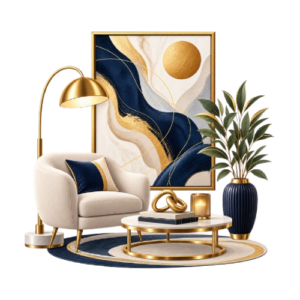
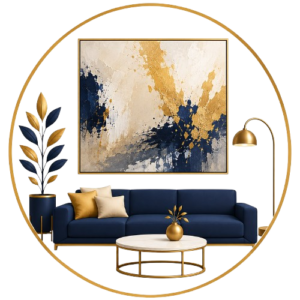
A mid-century living room can start with a simple sofa, wooden coffee table, accent chair, sideboard, and warm floor lamp.
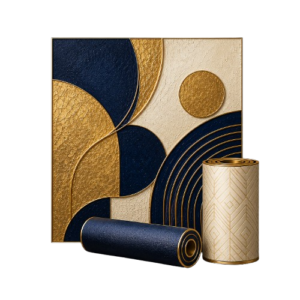
Add a patterned rug and one large artwork to create a strong focal point.
Avoid filling the room with numerous decorative objects. Let the furniture silhouettes provide much of the visual interest.
5. Use a Carefully Controlled Colour Palette
Mid-century interiors can use more colour than minimalist or Scandinavian spaces.
Common choices include:
- Mustard
- Olive green
- Burnt orange
- Rust
- Teal
- Navy
- Warm brown
- Cream
- Beige
- White
Use one or two accent colours rather than combining every classic mid-century shade in one room.
6. Add a Statement Lounge Chair
A distinctive chair can become a major design feature.
Look for a chair with:
- Sculptural proportions
- Wooden legs
- Curved or angled arms
- Upholstered seating
- Simple geometry
Place it beside a floor lamp or small side table to create a comfortable reading corner.
7. Choose a Low-Profile Sofa
Low-profile seating works naturally with mid-century interiors.
Choose a sofa with clean lines and visible legs rather than an excessively bulky design.
Neutral upholstery provides flexibility, while mustard, olive, rust, or muted blue can create a stronger vintage-inspired statement.
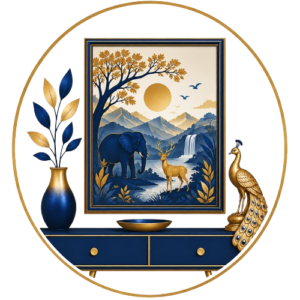
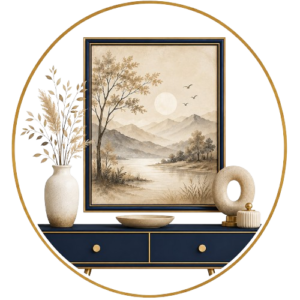
8. Use a Mid-Century Sideboard
A wooden sideboard is both practical and visually distinctive.
Use it in:
- Living rooms
- Dining rooms
- Entryways
- Bedrooms
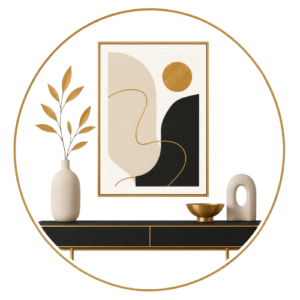
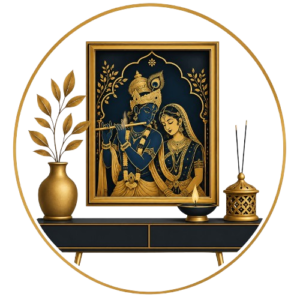
Decorate it with a small number of carefully selected objects, such as a lamp, ceramic vessel, plant, or artwork.
A large artwork above the sideboard can create a balanced composition.
9. Introduce Iconic-Style Lighting
Lighting can reinforce the mid-century character of a room.
Consider:
- Globe pendants
- Sculptural floor lamps
- Starburst-inspired fixtures
- Dome lamps
- Brass or metal table lamps
Choose lighting based on the room’s scale rather than selecting a fixture purely because it looks retro.
10. Create a Mid-Century Dining Area
A wooden dining table paired with simple chairs creates an effective foundation.
Add a statement pendant overhead and a sideboard against one wall.
For artwork, consider a geometric, abstract, botanical, or colourful composition that echoes one of the room’s accent colours.
11. Use Geometric Patterns
Geometric patterns are a natural fit for mid-century interiors.
Introduce them through:
- Rugs
- Cushions
- Curtains
- Artwork
- Upholstery
- Decorative objects
Use patterns selectively. One patterned rug can often establish enough visual character.
12. Mix Wood With Metal
Although wood is central to mid-century design, metal provides useful contrast.
Combine warm timber with:
- Brass
- Black metal
- Chrome
- Brushed metal
A wooden sideboard with metal lighting or a wood dining table with simple metal details can create a contemporary interpretation of the style.
13. Add a Mid-Century Bedroom
A mid-century bedroom should feel warm, functional, and uncluttered.
Use:
- Wooden bed frame
- Simple bedside tables
- Warm lighting
- Neutral bedding
- Patterned rug
- Minimal artwork
A wooden headboard or low-profile bed can become the primary focal point.
14. Create a Mid-Century Home Office
The functional philosophy of mid-century design makes it particularly suitable for workspaces.
Choose:
- Wooden desk
- Comfortable task chair
- Open shelving
- Practical storage
- Sculptural desk lamp
Add one or two artworks or framed prints rather than covering the entire wall.
15. Use Open Shelving Carefully
Open shelving can display the personality of a mid-century interior.
Use it for:
- Books
- Ceramics
- Plants
- Artwork
- Vintage objects
- Small sculptures
Leave enough empty space between objects to maintain visual clarity.
16. Introduce Indoor Plants
Plants complement the natural materials and organic shapes found in mid-century interiors.
Use:
- Tall floor plants
- Hanging plants
- Small shelf plants
- Large-leaf greenery
Place plants in simple ceramic, wood, or neutral planters.
17. Use a Feature Wall Selectively
A mid-century feature wall can use:
- Warm paint
- Wood panelling
- Geometric wallpaper
- Textured finishes
- Artwork
Avoid covering every wall with strong patterns. A single feature surface can establish the style without overwhelming the furniture.
18. Add Vintage Pieces With Restraint
A few vintage-inspired objects can provide authenticity.
Consider:
- Vintage clocks
- Classic lamps
- Old-style ceramics
- Retro artwork
- Vintage side tables
Mix these with contemporary furniture so the home feels curated rather than like a period set.
19. Use Large Artwork as a Focal Point
Wall art is particularly effective in mid-century interiors because the style naturally accommodates bold colour and geometric composition.
Consider:
- Abstract artwork
- Geometric art
- Botanical artwork
- Colourful wall art
- Minimalist compositions
- Black-and-white photography
A large artwork above a sofa or sideboard can create a strong visual anchor.
20. Combine Vintage Character With Modern Comfort
The most successful contemporary mid-century homes do not reproduce the past exactly.
Instead, combine:
Mid-century furniture + modern technology
Vintage-inspired lighting + contemporary storage
Warm wood + modern artwork
Classic silhouettes + comfortable upholstery
This allows the interior to feel timeless rather than dated.
Mid-Century Interior Design Ideas by Room
Mid-Century Living Room
Use a low-profile sofa, wooden coffee table, tapered-leg furniture, statement floor lamp, patterned rug, and artwork. Keep the furniture arrangement open enough for the room to feel spacious.
Mid-Century Bedroom
Choose warm wood furniture, simple bedding, a low-profile bed, practical bedside tables, and restrained artwork. Mustard, olive, rust, and warm neutral accents work well.
Mid-Century Kitchen
Combine streamlined cabinetry with wood, simple hardware, open shelving, and statement lighting. Contemporary appliances can be integrated without disrupting the style.
Mid-Century Dining Room
A wooden table, sculptural chairs, pendant light, sideboard, and geometric artwork create a strong mid-century composition.
Mid-Century Home Office
Use a functional wooden desk, ergonomic chair, practical shelving, and a distinctive lamp. Add one or two pieces of artwork for personality.
Mid-Century Entryway
A wooden console, circular mirror, sculptural lamp, small artwork, and simple plant can create a welcoming entry.
Mid-Century Interior Colour Ideas
Colour is one of the most recognisable elements of mid-century design.
Mustard Yellow
Use it for an accent chair, cushion, artwork, or small decorative piece.
Olive Green
Pairs particularly well with warm wood.
Burnt Orange and Rust
These colours provide a strong vintage character without requiring bright saturation.
Teal and Deep Blue
Useful for upholstery, artwork, or accent walls.
Warm Neutrals
Cream, beige, warm white, and brown balance stronger colours.
A good approach is to choose one dominant neutral and one or two signature mid-century accent colours.
Mid-Century Modern Interior Design With Natural Materials
Natural materials help prevent mid-century interiors from feeling overly synthetic.
Combine:
- Wood
- Leather
- Wool
- Linen
- Ceramic
- Stone
- Glass
- Metal
Wood should generally remain one of the visual anchors.
For example, combine a walnut sideboard with a wool rug, leather chair, ceramic accessories, glass lighting, and abstract artwork.
Mid-Century Modern Interior Design for Small Homes
The raised profiles and functional furniture associated with mid-century design can work particularly well in compact spaces.
Try:
- Choose furniture with visible legs.
- Avoid oversized sofas.
- Use multifunctional storage.
- Keep the colour palette controlled.
- Choose one statement piece.
- Use mirrors strategically.
- Keep pathways open.
- Use artwork instead of numerous small accessories.
A compact apartment can capture the mid-century aesthetic without reproducing every characteristic of a larger vintage home.
Mid-Century Modern Interior Design for Large Homes
Large spaces can accommodate more substantial mid-century furniture and artwork.
Use:
- Large sofas
- Oversized rugs
- Long sideboards
- Statement lighting
- Large artwork
- Feature walls
- Larger plants
Pay attention to proportion. A large room needs furniture and artwork with enough scale to establish visual anchors.
How to Make Mid-Century Interior Design Feel Contemporary
If a room looks too retro, introduce modern elements.
Try:
- Simpler accessories
- Contemporary artwork
- Updated upholstery
- Modern lighting
- Neutral walls
- Integrated storage
- Cleaner textiles
You can retain classic tapered legs, wood furniture, and organic shapes while allowing the rest of the room to feel current.
How to Make Mid-Century Interiors Feel Luxurious
Mid-century design can look highly sophisticated when materials and proportions are carefully selected.
Choose Quality-Looking Wood
A beautiful timber sideboard or dining table can become a major focal point.
Use Large-Scale Artwork
One substantial artwork can provide more impact than several small decorative pieces.
Layer Lighting
Combine floor lamps, table lamps, pendants, and ambient lighting.
Keep Materials Consistent
Repeat wood, metal, leather, or textile finishes throughout the room.
Avoid Excessive Retro Decoration
A few distinctive pieces are more effective than turning every surface into a vintage display.
Mid-Century Interior Design With Artwork
Artwork is one of the easiest ways to personalise a mid-century interior.
Abstract Artwork
Bold shapes and restrained colours complement the furniture.
Geometric Artwork
Geometric compositions naturally reinforce the style’s visual language.
Botanical Artwork
Botanical forms soften the geometric furniture and connect the room with nature.
Colourful Wall Art
Mustard, olive, rust, teal, orange, and blue can echo the traditional mid-century palette.
Black-and-White Artwork
Monochromatic photography can create contrast against warm wood.
For a sophisticated look, select artwork that relates to at least one colour already present in the room.
Common Mid-Century Interior Design Mistakes
Making the Room Too Retro
A home does not need to look like a museum or vintage showroom.
Using Too Many Colours
Mid-century design allows colour, but the palette still needs structure.
Filling Every Shelf
Open shelving should be curated rather than overloaded.
Choosing Furniture Without Considering Scale
Classic furniture can still look wrong if it is too large or too small for the room.
Mixing Too Many Vintage Styles
Not every retro object belongs in a mid-century interior.
Ignoring Comfort
The style is rooted in functional living, so comfort should remain a priority.
Choosing Artwork That Is Too Small
Large furniture and long sideboards often require artwork with appropriate scale.
How to Plan a Mid-Century Interior Step by Step
Step 1: Establish the main furniture pieces.
Start with the sofa, dining table, bed, or major storage pieces.
Step 2: Choose your wood finish.
Decide whether walnut, teak, oak, or another timber tone will dominate.
Step 3: Select the colour palette.
Use warm neutrals plus one or two accent colours.
Step 4: Add distinctive silhouettes.
Introduce tapered legs, curved forms, or sculptural furniture.
Step 5: Plan the lighting.
Use statement fixtures that complement the room’s scale.
Step 6: Add textiles and patterns.
Introduce rugs, cushions, curtains, and upholstery gradually.
Step 7: Choose artwork.
Use abstract, geometric, botanical, colourful, or monochromatic artwork.
Step 8: Edit the room.
Remove unnecessary retro accessories and maintain a clear visual hierarchy.
Frequently Asked Questions
What is mid-century interior design?
Mid-century interior design is a style inspired by the design movement of the mid-20th century. It is known for clean lines, functional furniture, natural wood, organic forms, tapered legs, geometric patterns, and distinctive lighting.
What colours are used in mid-century modern interiors?
Warm neutrals are often combined with mustard, olive green, burnt orange, rust, teal, navy, and other muted accent colours.
What furniture works best in mid-century interiors?
Low-profile sofas, tapered-leg tables, wooden sideboards, sculptural lounge chairs, simple dining furniture, and practical storage pieces work particularly well.
Is mid-century modern the same as modern interior design?
No. Mid-century modern is a specific design movement associated with the mid-20th century, while modern interior design can refer more broadly to contemporary interpretations of clean, functional interiors.
What wall art works with mid-century interiors?
Abstract, geometric, botanical, colourful, minimalist, and black-and-white artwork can all complement mid-century interiors.
Can mid-century design work in a small apartment?
Yes. Its functional furniture, raised profiles, clean lines, and uncluttered layouts can work particularly well in compact spaces.
How do I make a mid-century home look modern?
Combine classic wood furniture and tapered silhouettes with contemporary artwork, modern lighting, restrained accessories, and practical storage.
Can mid-century modern interiors be luxurious?
Yes. Quality materials, sophisticated lighting, large artwork, carefully selected furniture, and controlled styling can create a very refined mid-century interior.
Final Thoughts
Mid-century modern interior design remains relevant because it combines function, personality, natural materials, and timeless proportions.
Start with warm wood, clean-lined furniture, tapered legs, organic shapes, and a controlled colour palette. Then add statement lighting, textiles, plants, and artwork to create a space that feels personal.
You do not need to reproduce a historical mid-century home. The most successful interpretation combines the character of classic design with the comfort and functionality of contemporary living.
If you are comparing interior styles, explore our Modern Interior Design Ideas, Contemporary Interior Design Ideas, Scandinavian Interior Design Ideas, Minimalist Home Interior Design Ideas, and Traditional & Classic Interior Design Ideas guides. For artwork that complements mid-century spaces, explore Abstract Wall Art Ideas, Colourful Wall Art, Black and White Wall Art, Modern Wall Art Ideas, and Canvas Wall Art Ideas.