
Abstract Wall Art Ideas: Modern Designs, Colours & Styling Tips

Abstract wall art is one of the easiest ways to give a room a contemporary, artistic character without committing to a specific subject or traditional style. Instead of depicting a person, place, or object literally, abstract artwork uses colour, shape, texture, lines, movement, and composition to create a visual experience.
From soft neutral abstract paintings for bedrooms to bold colourful canvas artwork for living rooms, abstract art can work with almost any interior.
The beauty of abstract wall décor is its flexibility. A single oversized painting can become the focal point of a room, while a carefully arranged collection of smaller pieces can create a sophisticated gallery wall. Abstract artwork can also introduce colours that connect otherwise unrelated furniture and décor.
If you’re looking for abstract wall art ideas, abstract artwork, abstract canvas wall décor, or modern abstract paintings, this guide will help you choose the right style, size, colour palette, and placement for your space.
What Is Abstract Wall Art?
Abstract wall art is artwork that focuses on visual elements such as shapes, colours, lines, textures, patterns, and composition rather than necessarily representing a recognizable subject.
It can range from highly expressive paintings with energetic brushwork to minimalist compositions consisting of a few carefully placed shapes.
Some abstract artwork is bold and dramatic, while other designs are subtle and calming.
Popular approaches include:
- Geometric abstraction
- Organic abstract art
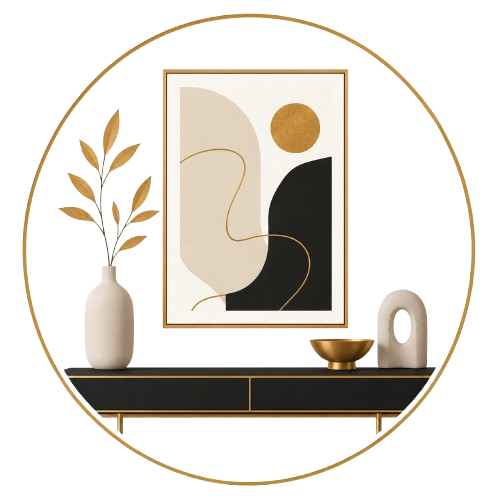
- Minimalist abstract art
- Colour-block artwork
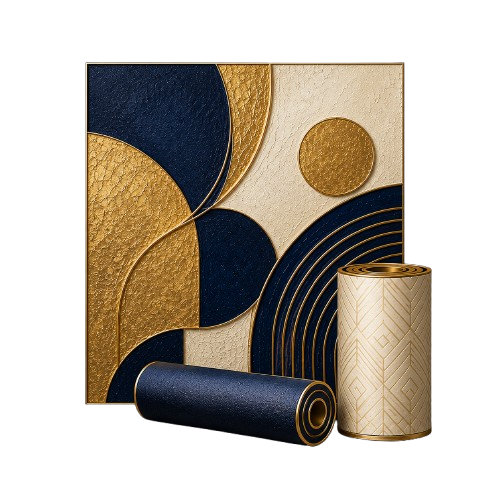
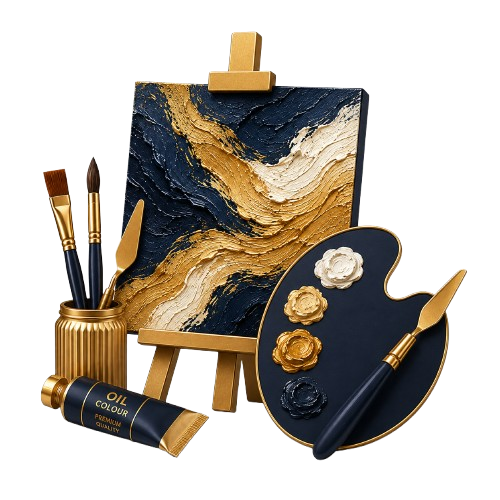
- Textured abstract paintings
- Contemporary abstract art
- Neutral abstract artwork
- Black and white abstract art
- Colourful abstract paintings
- Fluid and expressive compositions
- Abstract landscapes
- Modern line-based artwork
Because abstract art does not have to follow a literal subject, it can complement a room without competing with its existing décor.
20 Abstract Wall Art Ideas for Your Home
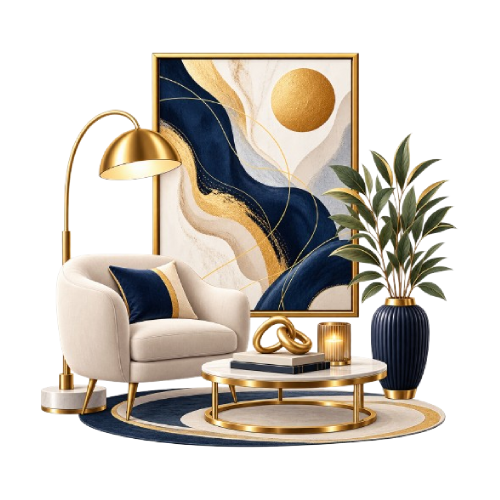
1. Make an Oversized Abstract Painting the Focal Point
One of the strongest ways to use abstract artwork is to choose a large statement piece.
An oversized abstract canvas above a sofa, bed, console, or dining table can immediately become the visual centre of the room.
This approach works particularly well when the rest of the interior is relatively restrained.
Instead of decorating the wall with numerous small objects, allow the artwork to provide the visual impact.
For large walls, consider:
- Oversized abstract canvas art
- Wide horizontal paintings
- Large multi-panel artwork
- Bold contemporary compositions
The larger the artwork, the more important the proportion becomes. Always consider the wall and furniture dimensions before choosing the final size.
2. Try Neutral Abstract Wall Art
Neutral abstract artwork is ideal for people who want an artistic interior without introducing strong colours.
Look for combinations of:
- Beige
- Cream
- White
- Taupe
- Greige
- Soft brown
- Charcoal
- Warm grey
- Black
Neutral abstract paintings work beautifully with modern interiors, especially when the room already contains natural materials such as wood, stone, linen, or woven textures.
A neutral artwork can add depth and movement while keeping the overall room calm.
3. Add Colour With a Bold Abstract Painting
If your interior feels too neutral, abstract artwork can become an opportunity to introduce colour.
A colourful abstract painting can feature several complementary or contrasting tones, creating an immediate focal point.
Consider artwork containing:
- Deep blue
- Emerald or muted green
- Terracotta
- Rust
- Mustard
- Burgundy
- Teal
- Orange
- Pink
- Purple
You don’t need every colour in the painting to appear elsewhere in the room. Instead, allow one or two colours to echo existing furniture or accessories.
4. Choose Black and White Abstract Art
Black and white abstract wall art is a particularly versatile option.
The limited colour palette creates contrast while allowing the shapes, lines, textures, and composition to become the focus.
Black and white abstract artwork can work in:
- Modern living rooms
- Minimalist bedrooms
- Home offices
- Hallways
- Dining rooms
- Contemporary entryways
It is also easier to coordinate with changing décor because the artwork does not depend heavily on a particular accent colour.
5. Explore Geometric Abstract Art
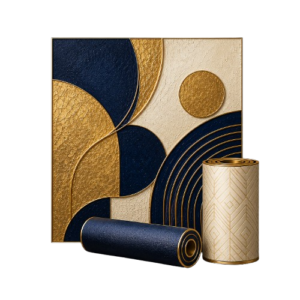
Geometric abstract artwork uses structured shapes and patterns to create a contemporary appearance.
You may see:
- Circles
- Squares
- Rectangles
- Arches
- Triangles
- Grids
- Overlapping shapes
- Curved lines
- Asymmetrical forms
Geometric abstract art works especially well with modern furniture and interiors featuring clean architectural lines.
For a sophisticated appearance, choose a limited colour palette rather than an artwork containing too many competing colours.
6. Bring Softness With Organic Abstract Shapes
Not all abstract artwork needs to look structured.
Organic abstract art uses flowing shapes, irregular forms, curved lines, and natural-looking compositions.
These designs can soften interiors that contain lots of straight lines and hard surfaces.
Organic abstract wall art pairs particularly well with:
- Wooden furniture
- Curved sofas
- Bouclé upholstery
- Linen
- Indoor plants
- Rattan
- Natural stone
This combination can create a contemporary room that still feels warm and inviting.
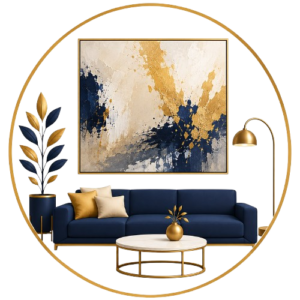
7. Style an Abstract Canvas Above the Sofa
The wall behind the sofa is one of the best locations for abstract artwork.
A large horizontal abstract canvas can visually connect the sofa with the wall above it.
When choosing artwork, consider the sofa’s colour.
For example:
Neutral sofa:
Almost any abstract palette can work, depending on the room.
Dark sofa:
Lighter artwork can create contrast.
Colourful sofa:
A restrained abstract painting can prevent the room from becoming visually busy.
Patterned sofa:
Consider simpler artwork with a limited palette.
8. Use Abstract Art Above the Bed
Abstract artwork can create a calm and sophisticated bedroom when the colours and composition are carefully selected.
Soft compositions with neutral, earthy, blue, or muted green tones can work particularly well.
A wide horizontal painting above the headboard can create balance, while two coordinated artworks can provide a lighter alternative to one large piece.
Avoid choosing artwork solely because it is visually dramatic. In a bedroom, consider whether the colours and composition contribute to the atmosphere you want.
9. Create an Abstract Gallery Wall
A gallery wall can combine different types of abstract artwork while maintaining a cohesive appearance.
You could combine:
- Small abstract paintings
- Minimalist line art
- Geometric designs
- Black and white prints
- Textured artwork
- Neutral compositions
To prevent the arrangement from becoming chaotic, establish a visual connection.
For example, use:
- One dominant colour palette
- Matching frames
- Similar artwork proportions
- Consistent spacing
- A shared visual style
The individual pieces don’t have to be identical.
10. Try a Two-Piece Abstract Composition
A pair of coordinated abstract artworks can create a sophisticated alternative to one large painting.
This works especially well above wide furniture.
The two pieces can either:
- Continue one visual composition across both panels, or
- Use different compositions that share colours and style.
This arrangement can feel more architectural and contemporary than a conventional framed picture.
11. Use a Three-Panel Abstract Artwork
A triptych consists of three panels designed to work together.
Three-panel abstract artwork can create strong visual impact across a wide wall.
It works particularly well above:
- Large sofas
- Beds
- Dining tables
- Sideboards
- Long console tables
Before purchasing, make sure the combined dimensions are appropriate for the wall.
12. Use Abstract Art to Add Texture
Not all abstract artwork relies purely on colour.
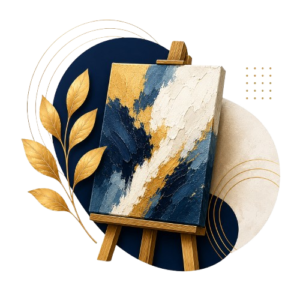
Textured artwork can create depth through visible brushwork, layered surfaces, raised elements, or other tactile effects.
Texture can be especially effective in neutral interiors where there are fewer strong colours.
A cream or beige textured abstract painting, for example, can add visual interest while maintaining a sophisticated monochromatic palette.
13. Choose Abstract Artwork for a Minimalist Interior
Minimalist interiors benefit from restraint.
Instead of selecting an extremely complex composition, look for artwork with:
- Simple shapes
- Limited colours
- Large areas of negative space
- Clean lines
- Restrained contrast
One carefully chosen artwork can be enough.
Remember that minimalist decoration is not about leaving every wall empty. It is about making each element feel intentional.
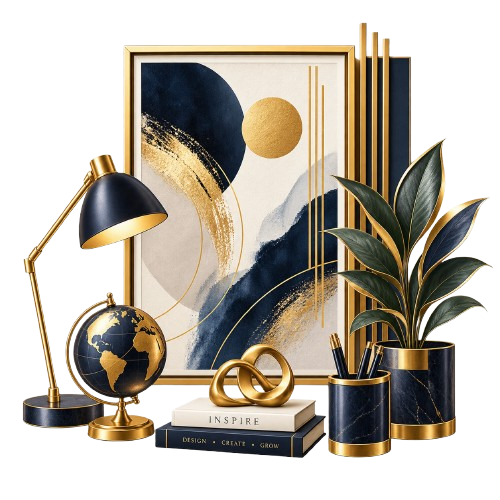
14. Add Abstract Art to a Home Office
Abstract artwork can bring personality and creativity into a workspace.
A geometric composition can reinforce a clean professional aesthetic, while colourful abstract artwork can create a more energetic environment.
For a home office, consider positioning artwork where it can be seen easily without interfering with the functional workspace.
A single medium or large canvas behind the desk can often create enough visual interest without making the room distracting.
15. Use Abstract Artwork in the Dining Room
The dining room is a great place to experiment with stronger artwork.
Unlike a bedroom, where calming compositions may be preferred, the dining area can accommodate more expressive colours and energetic forms.
Try:
- Bold abstract paintings
- Colourful contemporary artwork
- Geometric compositions
- Modern textured art
- Large statement canvas pieces
Choose artwork that complements the dining furniture and lighting.
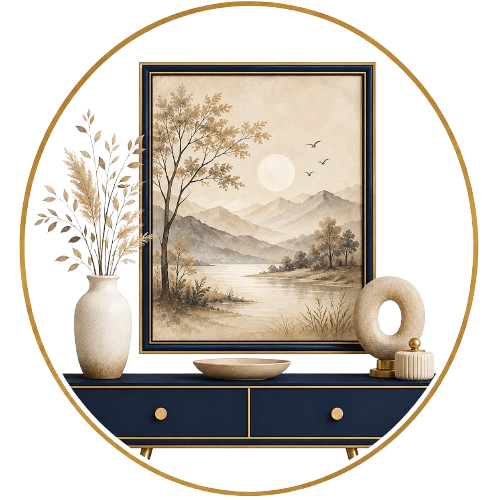
16. Add Abstract Art to an Entryway
A striking abstract painting can immediately establish the style of your home.
Place one above a console table or on an otherwise empty entryway wall.
Because the entryway is often a relatively small area, avoid overcrowding it with multiple decorative objects.
One strong piece can make a greater impression.
17. Match Abstract Artwork With Your Interior Colours
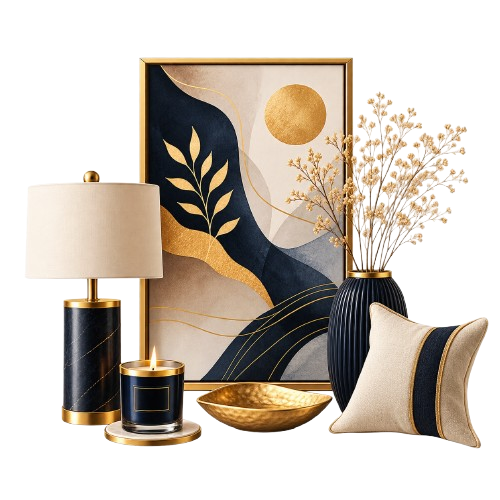
One of the easiest ways to make abstract artwork feel integrated into a room is to repeat one of its colours elsewhere.
Suppose your painting contains beige, charcoal, and muted green.
You could repeat those colours through:
- Cushions
- Rugs
- Curtains
- Throws
- Decorative objects
- Plants
- Furniture
You don’t need to reproduce the entire artwork palette.
Even one repeated accent colour can create visual continuity.
18. Contrast the Artwork With the Wall
Artwork does not always need to blend into the wall.
Sometimes contrast produces the strongest result.
For a light wall, a darker abstract composition can create definition.
For a dark wall, a light or high-contrast artwork can become a dramatic focal point.
Think about the artwork and wall as one combined composition rather than treating them as separate elements.
19. Combine Abstract Art With Natural Décor
Abstract art can look particularly sophisticated when paired with natural textures.
Try combining abstract artwork with:
- Wood
- Stone
- Plants
- Linen
- Ceramic
- Woven baskets
- Natural fibre rugs
The contrast between expressive artwork and organic materials can create a balanced contemporary interior.
20. Let the Artwork Set the Mood
Perhaps the most important abstract wall art idea is to choose artwork according to the mood you want.
For a calm room
Choose soft neutrals, muted blues, gentle greens, and simple compositions.
For a luxurious room
Consider deep tones, sophisticated neutrals, strong contrast, and refined compositions.
For an energetic room
Choose brighter colours, dynamic lines, and expressive shapes.
For a minimalist room
Look for restrained colour palettes and simple forms.
For a creative room
Experiment with unusual compositions, expressive artwork, and stronger colour combinations.
Abstract Wall Art Ideas by Interior Style
Modern Abstract Wall Art
Modern abstract artwork generally works well with clean furniture, contemporary architecture, and restrained décor.
Geometric shapes, organic forms, monochrome designs, and large canvas artwork are all suitable directions.
Minimalist Abstract Wall Art
For minimalist interiors, focus on simplicity.
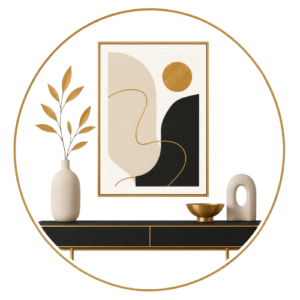
A single abstract painting with plenty of negative space can become a subtle but effective focal point.
Luxury Abstract Wall Art
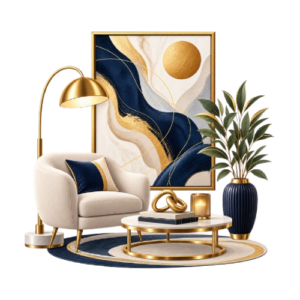
For a more luxurious appearance, consider artwork with sophisticated neutrals, deep tones, strong composition, and substantial scale.
The surrounding presentation matters just as much as the artwork itself.
Contemporary Abstract Wall Art
Contemporary interiors offer more freedom.
You can combine bold colours, unusual forms, mixed compositions, and expressive artwork while maintaining a cohesive overall design.
How to Choose the Right Abstract Artwork
Consider the Wall
Measure the available wall before selecting artwork.
A large empty wall usually requires more visual weight than a narrow wall.
Consider the Furniture
Artwork should relate to the furniture below it.
A tiny artwork above a large sofa can look disconnected, while an oversized piece may overwhelm a compact piece of furniture.
Consider the Colour Palette
Look at your room before looking at artwork.
Identify the dominant colours and decide whether you want the artwork to:
- Blend in
- Complement them
- Introduce contrast
- Become the primary source of colour
Consider the Composition
Abstract art is not simply about colour.
Pay attention to how shapes, lines, negative space, and movement are distributed throughout the artwork.
Consider Your Personal Taste
Abstract artwork is subjective.
You should enjoy looking at it.
Choose a composition that creates a feeling or visual response rather than purchasing something simply because it is currently popular.
How Big Should Abstract Wall Art Be?
Scale is one of the most important factors when decorating with abstract artwork.
For a large wall, consider:
- Oversized single artwork
- Wide horizontal artwork
- Diptychs
- Triptychs
- Gallery arrangements
For smaller walls, consider:
- Medium-sized artwork
- Two-piece arrangements
- Smaller abstract paintings
- Minimalist compositions
The artwork should feel proportional to the wall and surrounding furniture.
A useful approach is to visualize the artwork’s dimensions on the wall before purchasing. Marking the approximate boundaries with removable tape can help you understand how the final piece will look.
Canvas vs Framed Abstract Wall Art
Both formats can work well in modern interiors.
Abstract Canvas Wall Art
Canvas often creates a clean, contemporary appearance.
It is particularly suitable for:
- Large abstract paintings
- Oversized artwork
- Modern interiors
- Minimalist spaces
- Statement walls
Framed Abstract Artwork
Frames add structure around the artwork.
They can work particularly well when you want the artwork to feel more defined or when creating a gallery wall.
The right choice ultimately depends on the artwork, room, furniture, and overall interior style.
How to Arrange Multiple Abstract Artworks
When using multiple pieces, think about the collection as a single composition.
Keep spacing consistent
Uneven spacing can make an otherwise beautiful collection feel accidental.
Establish a visual connection
Use colour, style, framing, subject matter, or proportions to connect the pieces.
Choose a dominant piece
One artwork can act as the visual anchor while smaller pieces support it.
Avoid overcrowding
Leaving some negative space between artworks allows each piece to breathe.
Common Abstract Wall Art Mistakes
Choosing artwork that is too small
Large walls need sufficient visual weight.
Using too many colours
A highly colourful artwork can work, but surrounding it with too many additional colours may create visual competition.
Ignoring the furniture
Artwork should be considered alongside the furniture beneath it.
Hanging everything at different heights
A gallery wall needs an intentional structure.
Following trends too literally
A trendy artwork may look impressive online but may not suit your actual interior.
Choose something that works with your space and that you genuinely enjoy.
Frequently Asked Questions About Abstract Wall Art
What is the best abstract wall art for a living room?
Large abstract canvas artwork is a strong option for living rooms, particularly above sofas and sideboards. The best design depends on the room’s size, furniture, colours, and interior style.
Is abstract wall art good for a bedroom?
Yes. Soft abstract compositions can create a calm visual atmosphere in bedrooms. Neutral, earthy, blue, green, and muted palettes are particularly versatile.
What colours are best for abstract artwork?
There is no single best colour palette. Neutral tones offer versatility, while blue, green, terracotta, mustard, burgundy, and other accent colours can create a stronger focal point.
Should abstract art match the room?
It doesn’t have to match exactly. It should ideally complement the room through colour, scale, style, contrast, or composition.
Is abstract canvas wall art suitable for modern homes?
Yes. Canvas is particularly well suited to large abstract compositions and contemporary interiors.
How do I choose an abstract painting for a neutral room?
Look for artwork that introduces subtle contrast or a carefully selected accent colour. Neutral abstract artwork can maintain the calm atmosphere, while a colourful piece can become the room’s focal point.
Can I mix different abstract artworks?
Yes. Different artworks can work together when they share a visual connection such as colour palette, framing, composition, or style.
Is large abstract wall art better than small artwork?
Not necessarily. The correct size depends on the wall and furniture. Large artwork works particularly well on spacious walls, while smaller compositions can be more appropriate for narrow areas or smaller rooms.
Bring Your Walls to Life With Abstract Art
Abstract artwork gives you the freedom to decorate without being restricted to a particular subject.
Whether you prefer minimalist neutral compositions, colourful contemporary paintings, geometric artwork, textured designs, black and white abstract art, or oversized statement canvases, the right piece can completely change the atmosphere of a room.
Start by considering your wall, furniture, colours, and desired mood. Then choose artwork that creates a visual relationship with the space.
Most importantly, don’t choose abstract art simply because it is labelled “modern” or “trendy.” Choose a piece that makes your room feel more complete — and that you will enjoy seeing every day.
At Canvasora, abstract artwork can become the centrepiece of your interior rather than simply another decoration. Explore contemporary designs and find a piece that gives your walls personality, depth, and character.
Explore More Wall Art Inspiration
Looking for more ways to decorate your home?
Explore our guides to:
- Modern Wall Art Ideas for contemporary interiors
- Large & Oversized Wall Art Ideas for statement walls
- Canvas Wall Art Ideas for modern homes
- Living Room Wall Art Ideas for sofa and feature walls
- Bedroom Wall Art Ideas for relaxing spaces
- Gallery Wall Ideas for arranging multiple artworks
- Minimalist Wall Art Ideas for clean, understated interiors