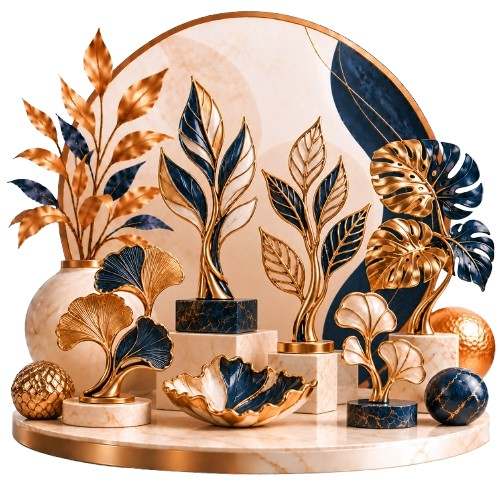

Colourful Wall Art Ideas: Bright & Creative Ways to Transform Your Walls

Colourful wall art can completely change the mood of a room.
A well-chosen artwork can introduce a bold accent colour, brighten a neutral interior, add personality to a bedroom, or turn a blank living room wall into a memorable focal point.
From vibrant paintings and colourful canvas artwork to floral designs, landscapes, modern compositions, and multi-piece displays, there are countless ways to bring colour onto your walls.
The key isn’t choosing the most colourful artwork. It’s choosing one that works with your wall colour, furniture, lighting, room size, and existing décor.
This guide covers the best colourful wall art ideas, colour combinations, room-by-room inspiration, sizing and spacing tips, and ways to create a vibrant wall without making your interior feel chaotic.
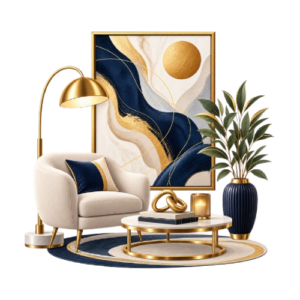
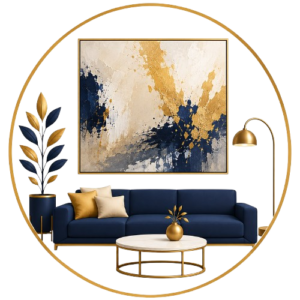
Why Choose Colourful Wall Art?
Colour is one of the fastest ways to change how a room feels.
Add Personality
Colourful artwork can make a room feel more expressive and personal.
Create a Focal Point
A bold artwork naturally attracts attention and can anchor an otherwise plain wall.
Brighten Neutral Interiors
Beige, cream, white, and grey interiors can benefit from a carefully chosen burst of colour.
Connect Your Décor
Artwork can repeat colours already found in cushions, rugs, curtains, furniture, or accessories.
Change the Mood
Soft colours can feel calm and relaxed, while saturated colours can make a room feel energetic and dramatic.
20 Colourful Wall Art Ideas for Your Home
1. Make One Colour the Hero
Choose artwork where one strong colour leads the composition.
Good choices include:
- Deep blue
- Emerald green
- Terracotta
- Mustard yellow
- Rust
- Burgundy
- Teal
Repeat small touches of the same colour elsewhere rather than matching everything exactly.
2. Add Bright Art to a Neutral Room
A colourful painting against a cream, white, beige, or grey wall can instantly become a focal point.
This is one of the easiest ways to introduce colour without changing the rest of the room.
3. Try Colourful Abstract Artwork
Abstract artwork can combine several colours into one composition.
Look for pieces that include shades already present in your room, or use the artwork to introduce one new accent colour.
For example, a room with beige furniture and green plants could work well with artwork featuring olive, terracotta, cream, and deep green.
4. Use Colourful Floral Artwork
Floral artwork is a natural way to introduce colour.
Consider:
- Roses
- Peonies
- Tulips
- Wildflowers
- Tropical flowers
- Botanical compositions
For a contemporary look, choose simplified or stylised floral designs.
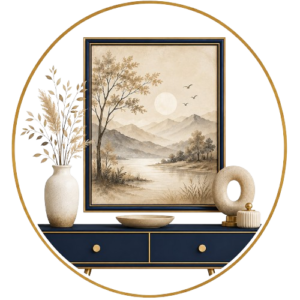
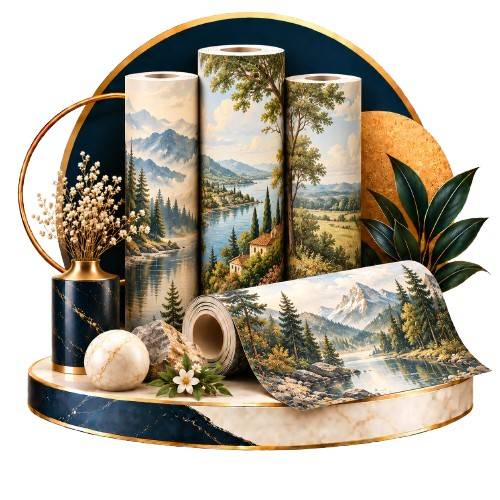
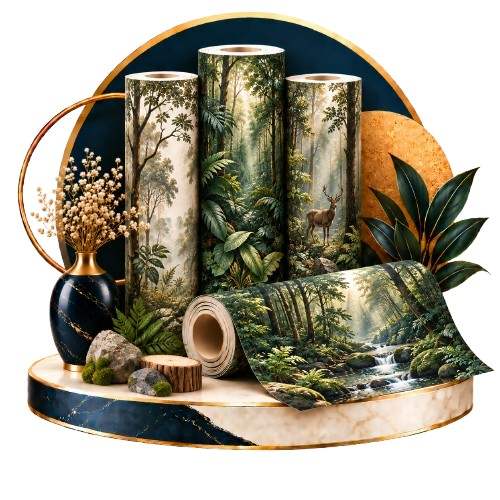
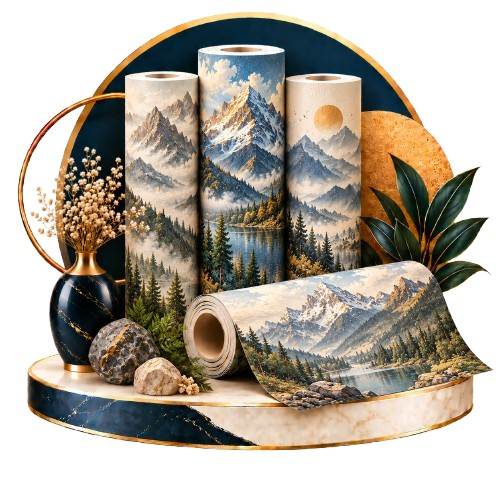
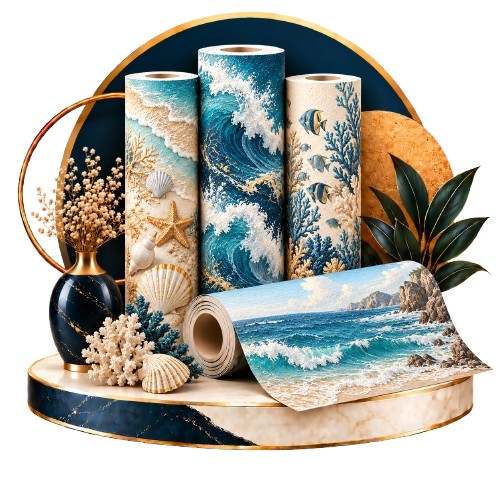
5. Bring Nature Indoors With Colourful Landscapes
Landscape artwork can combine several colours while adding depth.
Popular subjects include:
- Mountains
- Forests
- Beaches
- Lakes
- Sunsets
- Tropical landscapes
- Countryside scenes
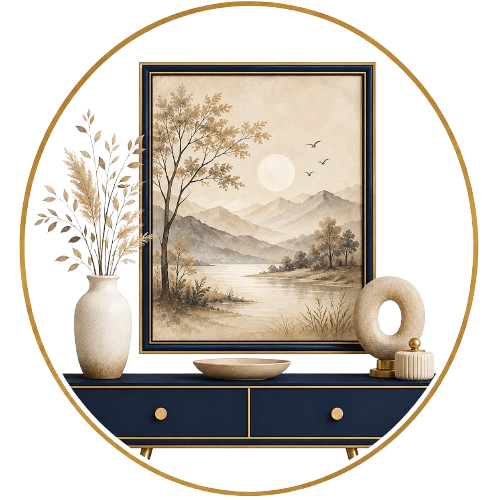
A wide landscape can work especially well above a sofa, sideboard, or console.
6. Create a Bold Living Room Feature Wall
The living room is an ideal place for statement artwork.
Try a large colourful piece above a:
- Sofa
- Sideboard
- Console
- Fireplace
- Media unit
Let the artwork provide the main burst of colour while keeping nearby décor relatively controlled.
7. Add Colour Above the Bed
Colourful artwork can transform a plain bedroom wall.
For a calmer atmosphere, consider combinations such as:
- Blue and beige
- Sage and cream
- Dusty pink and grey
- Terracotta and ivory
- Green and warm neutrals
For a more dramatic bedroom, use deeper or richer tones.
8. Use Colourful Art in the Dining Room
Dining areas can handle stronger colours.
Try:
- Colourful abstract paintings
- Floral artwork
- Landscapes
- Contemporary still life
- Geometric compositions
A large artwork above a sideboard can create a polished feature.
9. Brighten a Home Office
A home office doesn’t have to be completely neutral.
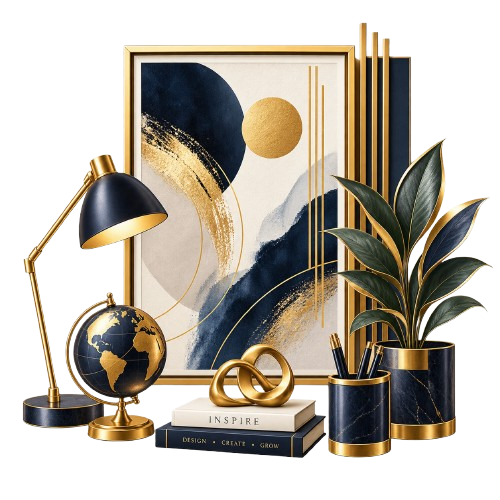
Geometric designs, colour-block artwork, city scenes, and contemporary paintings can add energy without overwhelming the workspace.
If the desk area is already busy, choose artwork with a more controlled palette.
10. Create a Colourful Gallery Wall
A gallery wall gives you more freedom to combine colours.
Mix paintings, photography, botanical artwork, illustrations, typography, or abstract designs.
Two approaches work particularly well:
Coordinated: Choose artwork that shares two or three colours.
Eclectic: Use different colours while maintaining consistency through frames, spacing, or artistic style.
11. Try a Colourful Diptych
A diptych uses two coordinated panels.
Choose artwork where the colours either continue from one panel to the next or complement each other.
This format works particularly well above wide furniture.
12. Use a Colourful Triptych
Three-panel artwork can create a strong focal point without requiring one enormous piece.
Triptychs work well above:
- Large sofas
- Beds
- Dining tables
- Sideboards
Choose panels with a clear visual and colour connection.
13. Mix Warm Colours
Warm colours can create an inviting atmosphere.
Consider combinations such as:
- Terracotta and cream
- Orange and beige
- Mustard and brown
- Rust and olive
- Red and warm neutrals
These combinations pair particularly well with natural wood and warm lighting.
14. Mix Cool Colours
Cool colours can create a calmer, fresher appearance.
Try:
- Blue and white
- Green and cream
- Teal and grey
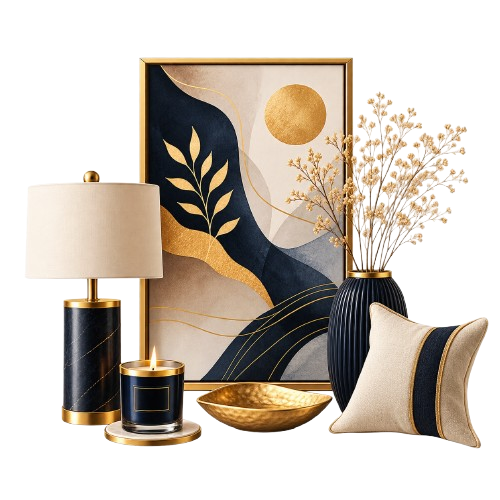
- Navy and beige
- Sage and soft blue
These palettes can work particularly well in bedrooms and relaxing living spaces.
15. Combine Complementary Colours
Complementary colours create strong visual energy.
Examples include:
- Blue and orange
- Green and red
- Purple and yellow
If the colours are intense, balance them with neutral walls and furniture.
16. Use Colour Blocking
Colour-block artwork uses large, clearly defined areas of colour.
It works especially well in modern and contemporary interiors where simple shapes and strong colour can make a statement without detailed imagery.
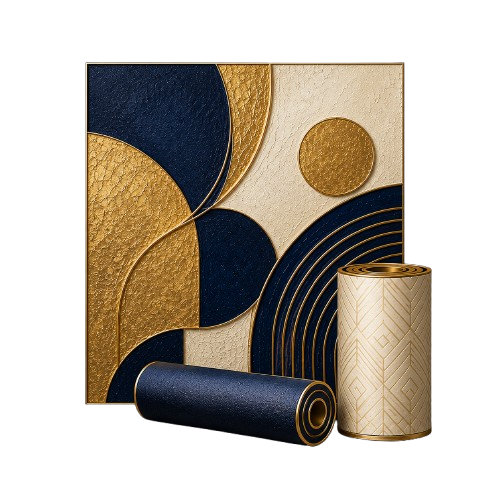
17. Try Colourful Geometric Artwork
Geometric artwork combines structure with colour.
Look for:
- Circles
- Arches
- Squares
- Lines
- Organic shapes
- Layered forms
This style can work particularly well in modern living rooms, offices, and bedrooms.
18. Create a Statement With Oversized Colourful Art
Large colourful artwork can transform a blank wall almost instantly.
Instead of scattering several small pieces across a large wall, consider one substantial artwork with enough visual weight to balance the space.
19. Add Colour to a Dark Interior
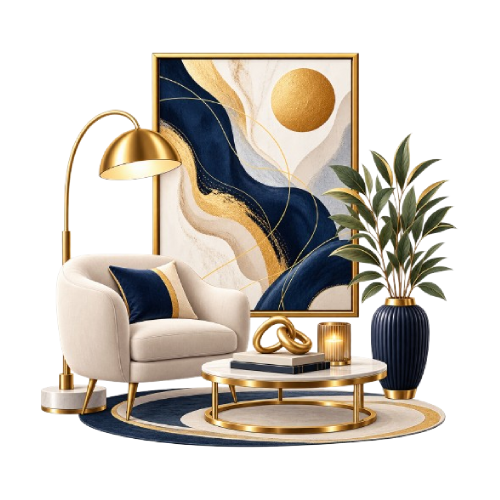
Colourful artwork can prevent a dark interior from feeling too heavy.
Against charcoal, navy, deep green, or other dark walls, artwork with brighter or lighter areas can create dramatic contrast.
20. Use One Colourful Hero Piece
You don’t need an entire wall of colourful artwork.
Sometimes one carefully selected painting is enough.
Choose a piece you genuinely like and allow it to become the visual centre of the room.
Colourful Wall Art Ideas by Room
Living Room
Use the living room for larger statement pieces such as colourful abstracts, landscapes, floral artwork, or contemporary paintings.
Above a sofa, choose an artwork or arrangement with enough width to visually anchor the furniture.
Bedroom
Choose colours according to the mood you want.
Soft blues, greens, pinks, beige, and earthy tones can create a relaxed atmosphere, while deeper shades create a more dramatic look.
Home Office
Use geometric artwork, colour-block designs, city scenes, or contemporary compositions to add energy without creating distraction.
Dining Room
Dining spaces can accommodate stronger colours and expressive artwork.
Floral designs, colourful landscapes, abstracts, and contemporary still-life artwork are good options.
Entryway
A colourful artwork can create an immediate first impression. Use a vertical composition for a narrow wall.
Hallway
A series of smaller colourful artworks can turn a plain corridor into a visual journey.
Keep the spacing and frame style consistent.
How to Choose Colours for Your Wall Art
Before choosing artwork, look at the colours already present in the room.
Consider your:
- Walls
- Sofa or bed
- Flooring
- Curtains
- Rugs
- Cushions
- Accessories
- Natural materials
Then decide whether the artwork should repeat, complement, or contrast with those colours.
Three Ways to Build a Colour Palette
Repeat Existing Colours
Choose artwork containing colours already found in the room.
For example, beige furniture, olive cushions, and wooden furniture can work naturally with artwork containing beige, olive, and earthy brown tones.
Introduce One New Accent
Use the artwork to introduce a colour that isn’t currently present.
For example, blue artwork can add a fresh accent to a beige room.
Then repeat that colour subtly through smaller accessories.
Use a Controlled Multi-Colour Palette
If the artwork contains several colours, identify the one or two dominant shades and let the rest remain supporting colours.
This prevents the composition from competing with the room.
How to Match Colourful Art With Neutral Walls
Neutral walls provide an excellent background for colourful artwork.
White Walls
Almost any colour palette can work.
Beige Walls
Warm colours and earthy tones create a cohesive look.
Grey Walls
Grey works particularly well with blue, green, yellow, pink, and other accent colours.
Cream Walls
Warm artwork can create a soft, layered appearance.
Dark Walls
Choose artwork with enough brightness or lighter areas to create contrast.
Colourful Wall Art Size Guide
Colour alone cannot fix poor proportions.
Above a Sofa
A useful starting point is for the artwork or complete arrangement to be approximately 60–75% of the sofa’s width.
For example, a 240 cm sofa could work with an artwork arrangement around 145–180 cm wide.
Above a Bed
Relate the artwork to the width of the bed or headboard.
A horizontal canvas or multi-panel arrangement can work well.
On a Large Blank Wall
Large walls need sufficient visual weight.
Consider one oversized artwork or a larger multi-piece arrangement rather than several tiny pieces scattered across the wall.
On a Narrow Wall
A vertical artwork can make better use of limited width while emphasising height.
Colourful Wall Art Spacing Guide
Good spacing keeps a colourful arrangement from feeling chaotic.
Above Furniture
Leave approximately 15–25 cm between the furniture and the bottom of the artwork.
Between Smaller Artworks
Around 5–10 cm works well for closely grouped pieces.
Between Larger Panels
Use approximately 8–15 cm between larger canvases or panels.
Between Diptych or Triptych Panels
Start with around 8–12 cm and adjust according to the scale of the artwork.
How High Should Colourful Wall Art Be Hung?
For an open wall, a useful starting point is to position the visual centre of the artwork around 145–155 cm from the floor.
Above furniture, focus on the relationship between the artwork and furniture rather than following a fixed height.
Step back and view the entire arrangement before finalising the position.
How to Make Colourful Wall Art Look Sophisticated
Colourful doesn’t have to mean chaotic.
Limit competing colours
If the artwork contains many colours, let one or two dominate.
Repeat colours subtly
Pick one or two artwork colours and repeat them through small accessories.
Keep the surroundings controlled
Neutral furniture and walls allow colourful artwork to stand out.
Give the artwork breathing room
Avoid surrounding a bold painting with too many other decorative elements.
Add texture
Wood, linen, stone, wool, rattan, and plants can soften an intense colour palette.
How to Style Colourful Wall Art With Different Interior Styles
Modern
Choose abstract compositions, geometric artwork, colour blocking, or contemporary paintings.
Minimalist
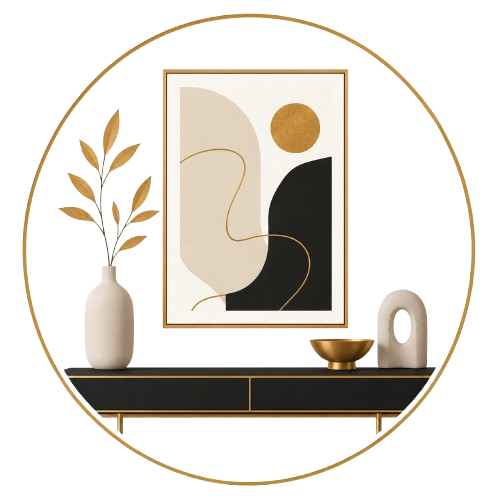
Let one colourful artwork provide the main accent while keeping the rest of the wall simple.
Rustic
Earthy colours, landscapes, botanical artwork, and natural textures can work well together.
Bohemian
Layer colourful artwork with plants, woven materials, textiles, and other relaxed décor.
Luxury
Use large-scale artwork, sophisticated colour combinations, generous negative space, and restrained surrounding décor.
How Lighting Affects Colourful Wall Art
Lighting can change how artwork looks throughout the day.
Natural daylight may make colours appear brighter, while warm artificial lighting can make some colours appear softer or warmer.
Consider:
- Window position
- Direct sunlight
- Room orientation
- Evening lighting
- Spotlights
- Ambient lighting
Avoid placing artwork where prolonged direct sunlight could unnecessarily affect its appearance.
Should Colourful Wall Art Be Framed?
The frame can significantly change the presentation.
Black Frames
Create contrast and work well in modern interiors.
White Frames
Create a lighter, minimalist appearance.
Natural Wood Frames
Add warmth and pair particularly well with earthy artwork.
Frameless Canvas
Keeps the focus on the artwork itself and can create a clean contemporary look.
Common Colourful Wall Art Mistakes
Using Too Many Competing Colours
If every element demands attention, the room can quickly feel chaotic.
Choosing Artwork Without Considering the Wall
A painting can look very different against white, beige, grey, or dark walls.
Choosing Artwork That Is Too Small
Strong colours don’t compensate for poor proportions.
Matching Everything Exactly
Repeating every artwork colour throughout the room can make the space feel overly staged.
Ignoring Lighting
Natural and artificial light can significantly change how colours appear.
Overcrowding the Wall
Bold artwork needs room to breathe.
Frequently Asked Questions About Colourful Wall Art
What is colourful wall art?
Colourful wall art includes paintings, prints, canvas artwork, photography, illustrations, and other decorative artwork that uses multiple or vibrant colours to create visual impact.
Is colourful wall art good for neutral rooms?
Yes. It can add an accent colour and prevent a neutral room from feeling flat.
What colour wall is best for colourful artwork?
White, cream, beige, and grey walls provide versatile backgrounds. Dark walls can also work when the artwork contains enough light or bright areas for contrast.
Can colourful wall art work in a minimalist home?
Yes. One carefully selected colourful artwork can provide the main accent while the rest of the room remains simple.
What colours work well together in wall art?
Blue and orange, green and red, purple and yellow, and earthy combinations can all work. Balance and intensity matter as much as the colour combination itself.
How large should colourful wall art be above a sofa?
A useful starting point is for the complete artwork or arrangement to be around 60–75% of the sofa’s width.
How much space should I leave between colourful artworks?
For smaller pieces, around 5–10 cm is a useful starting point. Larger panels can often use 8–15 cm.
Can colourful wall art make a small room feel smaller?
Very large or visually dense artwork can dominate a small room. Choose a well-proportioned piece and leave enough surrounding space.
Should colourful wall art match my furniture?
It doesn’t need to match exactly. Look for colours that complement existing furniture or introduce a controlled accent.
How do I make colourful wall art look expensive?
Focus on scale, composition, spacing, presentation, and framing. One well-proportioned statement artwork can look more sophisticated than many unrelated pieces.
Bring More Colour to Your Walls
Colourful wall art can transform an interior without requiring a complete redesign.
The most effective approach is to treat artwork as part of the room’s overall colour story.
Look at your walls, furniture, flooring, textiles, lighting, and existing accents before choosing a piece. Then decide whether you want the artwork to repeat, complement, or contrast those colours.
Remember that colourful décor doesn’t have to mean overwhelming décor.
With the right scale, spacing, colour balance, and negative space, even bold artwork can feel refined and sophisticated.
At Canvasora, explore wall art across a wide range of colours, styles, subjects, and formats to find pieces that bring personality and character to your space.
Explore More Wall Art Inspiration
Continue exploring our related guides:
- Modern Wall Art Ideas for contemporary interiors
- Abstract Wall Art Ideas for expressive artwork
- Floral & Botanical Wall Art Ideas for nature-inspired décor
- Nature & Landscape Wall Art Ideas for scenic artwork
- Animal & Wildlife Wall Art Ideas for distinctive statement pieces
- Black & White Wall Art Ideas for timeless monochrome décor
- Large & Oversized Wall Art Ideas for statement walls
- Canvas Wall Art Ideas for canvas artwork and placement inspiration
- Living Room Wall Art Ideas for sofa and feature walls
- Bedroom Wall Art Ideas for relaxing bedroom spaces
- Gallery Wall Ideas for multi-piece arrangements