
Wall Art Ideas: 100+ Styles, Designs, Colours, Sizes & Placement Ideas for Your Home

Wall art can completely change the way a room feels. An empty wall can make an otherwise beautiful space look unfinished, while the right artwork can add colour, personality, texture, balance and a sense of character.
Whether you are decorating a new home, refreshing a living room, styling a bedroom, creating a more inspiring home office or simply looking for ideas for an empty wall, the right wall art can become one of the most noticeable elements in your interior.
There is no single definition of good wall art. It can be a large abstract canvas, a collection of framed art prints, a colourful painting, a botanical artwork, a black and white photograph, a statement piece, a decorative mirror, a metal wall sculpture, a traditional artwork or even a simple DIY wall decoration.
The key is choosing artwork that works with your room, your personal style and the atmosphere you want to create.
In this guide, we explore wall art ideas for different interior styles, rooms, colours, subjects, sizes and decorating approaches. You will also find practical tips for choosing artwork, creating balanced wall arrangements and making an empty wall feel intentional rather than unfinished.
Why Wall Art Matters in Interior Design
Walls provide some of the largest uninterrupted surfaces in a home. That makes them an important opportunity for adding personality and visual interest.
Furniture generally defines how a room functions, while wall art often helps define how the room feels.
A carefully selected artwork can:
- Add colour to a neutral room
- Create a focal point
- Complement furniture and décor
- Introduce a particular interior style
- Make a large empty wall feel balanced
- Add personality to a bedroom or living room
- Create visual depth
- Bring nature-inspired elements indoors
- Make a home office more inspiring
- Connect different colours throughout a room
- Give a simple interior a more finished appearance
Wall art does not always have to dominate the room. Sometimes a small artwork can provide exactly the right finishing touch. In other spaces, particularly rooms with large blank walls, an oversized artwork or gallery arrangement may be more appropriate.
The best wall decoration is therefore not necessarily the biggest or most expensive option. It is the artwork that feels right for the space.
Popular Wall Art Ideas for Every Interior Style
One of the easiest ways to choose artwork is to start with your interior design style.
Instead of searching for one specific painting, think about the overall mood of the room. Is it modern and minimal? Warm and rustic? Colourful and eclectic? Traditional and elegant? Relaxed and bohemian?
Your wall art can reinforce that visual language.
1. Modern Wall Art
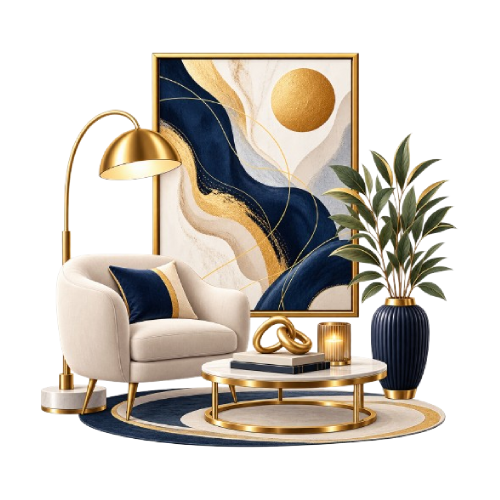
Modern wall art is ideal for interiors that favour clean lines, contemporary colours and simple compositions.
Modern artwork can include abstract paintings, geometric compositions, minimalist illustrations, monochrome artwork, contemporary landscapes and graphic-inspired designs.
For a modern home, look for artwork that complements rather than competes with your furniture.
Neutral interiors can benefit from a single bold artwork, while colourful modern rooms may work better with artwork that repeats one or two existing accent colours.
Modern wall art also works particularly well in living rooms, bedrooms, dining spaces and home offices.
2. Minimalist Wall Art
Minimalist wall décor focuses on simplicity.
Instead of filling an entire wall with multiple decorative elements, choose one carefully considered piece or a small arrangement.
Minimalist artwork can include:
- Simple line drawings
- Neutral abstract paintings
- Black and white artwork
- Soft botanical illustrations
- Minimal geometric art
- Subtle typography
- Monochrome photography
This style works especially well in rooms with uncluttered furniture and neutral walls.
A large minimalist artwork can also become a sophisticated focal point without making the room feel visually crowded.
3. Abstract Wall Art
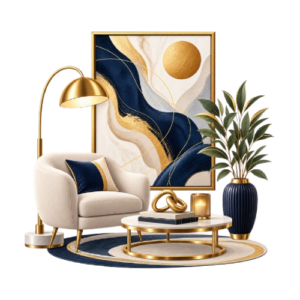
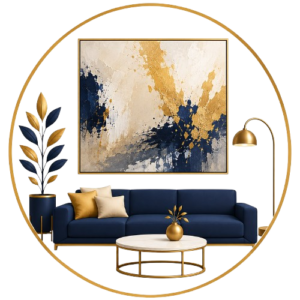
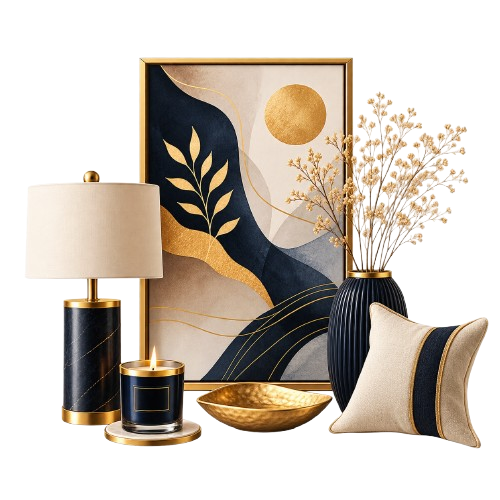
Abstract art is one of the most versatile choices for home interiors because it does not have to represent a particular object or scene.
Abstract artwork can introduce movement, colour, texture and emotion without being tied to a specific subject.
A neutral abstract painting can soften a minimalist room, while a colourful abstract canvas can energise a plain living room.
When choosing abstract wall art, consider the colours already present in your room. You do not necessarily need an artwork that exactly matches your furniture. Often, selecting artwork that contains one or two complementary colours creates a more sophisticated result.
4. Boho Wall Art
Bohemian-inspired interiors are relaxed, expressive and layered.
Boho artwork can include botanical designs, earthy abstract paintings, natural textures, sun and moon motifs, woven décor, travel-inspired artwork and organic shapes.
Boho wall décor works particularly well with:
- Natural wood
- Rattan furniture
- Plants
- Neutral fabrics
- Earthy colours
- Handmade-looking accessories
- Layered textures
Rather than making every element match, combine related colours and materials to create a relaxed, collected appearance.
5. Rustic and Farmhouse Wall Art
Rustic and farmhouse interiors often benefit from artwork with natural, vintage or handcrafted character.
Landscape artwork, botanical prints, vintage-inspired designs, rural scenes and warm-toned paintings can complement wooden furniture and natural materials.
For a modern farmhouse look, combine traditional visual elements with cleaner frames and simpler compositions.
The result can feel warm without appearing outdated.
6. Traditional Wall Art
Traditional interiors can support classic artwork, landscapes, floral paintings, portraits, heritage-inspired designs and decorative framed prints.
Traditional wall décor does not necessarily mean that every piece needs an ornate frame. A classic artwork in a simple frame can create a beautiful balance between traditional and contemporary design.
If your room already contains patterned upholstery or decorative furniture, consider artwork with a quieter composition.
Wall Art Ideas by Colour
Colour is one of the most important factors when selecting artwork.
Your artwork does not need to perfectly match your walls. In fact, exact matching can sometimes make the design feel flat.
Instead, think about whether you want your artwork to blend with the room or create contrast.
Black and White Wall Art
Black and white artwork is a timeless choice.
It works particularly well in:
- Modern homes
- Minimalist bedrooms
- Contemporary living rooms
- Home offices
- Hallways
- Neutral interiors
Black and white photography, abstract artwork and graphic compositions can provide contrast against white, beige, grey or light-coloured walls.
If the room already has plenty of colour, black and white artwork can also create visual calm.
Colourful Wall Art
Colourful artwork can transform a neutral interior.
A colourful painting can become the focal point of a living room, bedroom or dining area while introducing several accent colours at once.
When choosing colourful wall art, look for one dominant colour that connects with something already present in the room.
For example, artwork containing muted blue can connect with cushions or curtains, while warm yellow or terracotta tones can complement wooden furniture.
Yellow Wall Art
Yellow artwork can add warmth, optimism and energy to an interior.
It can work particularly well with:
- White
- Cream
- Beige
- Grey
- Navy
- Green
- Natural wood
A bright yellow artwork can become a statement piece, while muted mustard tones can work beautifully in sophisticated neutral interiors.
Blue Wall Art
Blue artwork can create a calm and refreshing atmosphere.
Ocean-inspired artwork, abstract blue paintings, coastal scenes and botanical designs can all introduce blue into a room without requiring blue furniture or walls.
Blue artwork is particularly effective in bedrooms, living rooms and spaces designed around relaxation.
Green and Nature-Inspired Colours
Green artwork can bring an organic quality into the home.
Botanical paintings, leaf illustrations, forest scenes and nature-inspired abstracts can all work beautifully with plants, wood and neutral furniture.
This is especially useful when you want your interior to feel connected to nature.
Wall Art Ideas by Subject
Another approach is to choose artwork based on a subject that reflects your personality or the atmosphere you want.
Floral Wall Art
Floral artwork is a versatile choice for bedrooms, living rooms, dining rooms and hallways.
Flowers can be represented realistically, abstractly or through minimalist illustrations.
Large floral artwork can create a dramatic focal point, while smaller botanical prints can be combined into a gallery wall.
Choose soft floral colours for a calm interior or bold floral artwork when you want the wall to become the main visual feature.
Botanical and Leaf Artwork
Botanical artwork can include leaves, ferns, branches, flowers and plant-inspired compositions.
It is especially effective in interiors that use natural materials.
Pair botanical wall art with:
- Wooden furniture
- Indoor plants
- Neutral fabrics
- Rattan
- Linen
- Natural textures
The combination creates a relaxed and organic atmosphere.
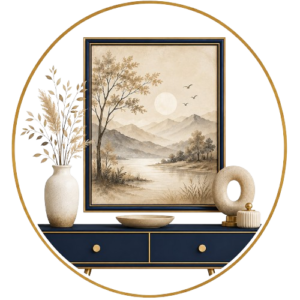
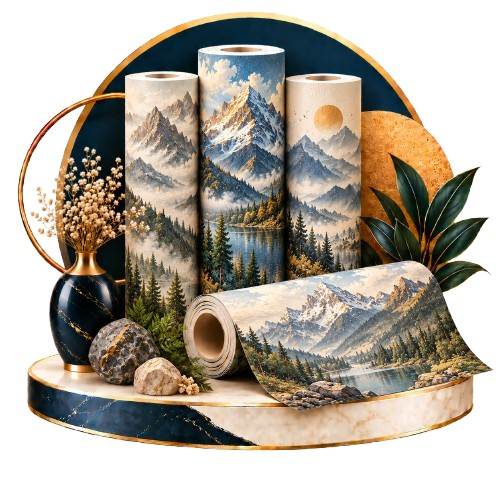
Nature and Landscape Wall Art
Landscape artwork can introduce a sense of space into an interior.
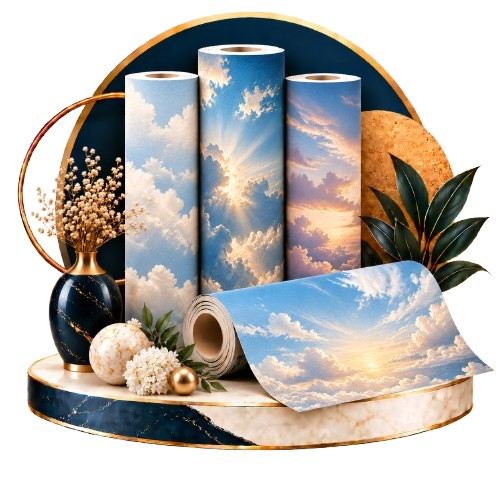
Mountains, forests, oceans, beaches, skies, sunsets and countryside scenes can all become decorative focal points.
Nature artwork is particularly useful when you want your room to feel peaceful rather than highly energetic.
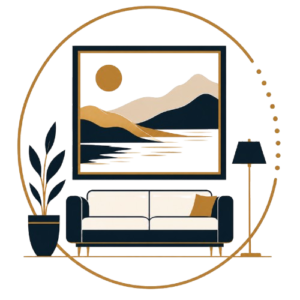
A wide landscape artwork can also work exceptionally well above a sofa, console or bed because its horizontal shape complements long furniture.
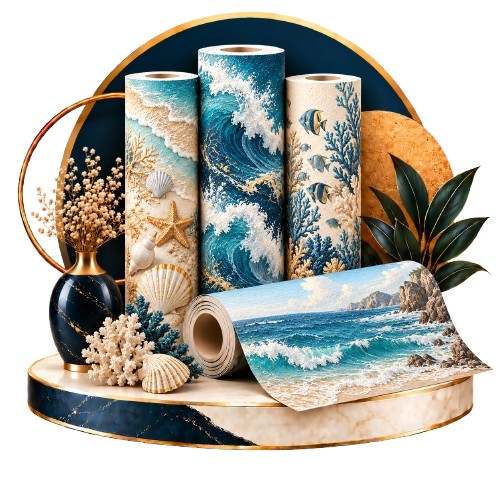
Ocean and Seascape Artwork
Ocean artwork can create a calm, open feeling.
Seascapes, coastal landscapes, waves and marine-inspired artwork can work especially well in bedrooms, living rooms and relaxed contemporary interiors.
Blue and neutral ocean artwork can also complement coastal décor without requiring an overly themed room.
Animal and Wildlife Wall Art
Animal wall art can add personality and character.
Depending on the interior, this could include wildlife photography, artistic animal illustrations, birds, horses, elephants, tigers or other nature-inspired subjects.
For sophisticated interiors, choose artwork with a restrained colour palette.
For children’s rooms or playful spaces, colourful animal artwork can become a fun decorative feature.
Travel-Inspired Wall Art
Travel artwork can help make an interior feel personal.
Maps, city scenes, architectural illustrations, landscapes and destination-inspired artwork can reflect places that are meaningful to you.
Instead of covering an entire wall with travel souvenirs, choose a small number of carefully selected artworks and give each one enough visual space.
Music and Cultural Artwork
Music-inspired artwork can work particularly well in entertainment rooms, home offices, creative studios and personal spaces.
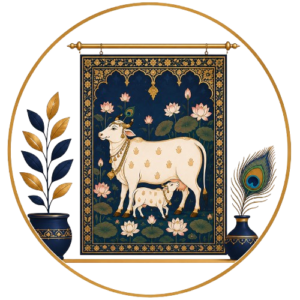
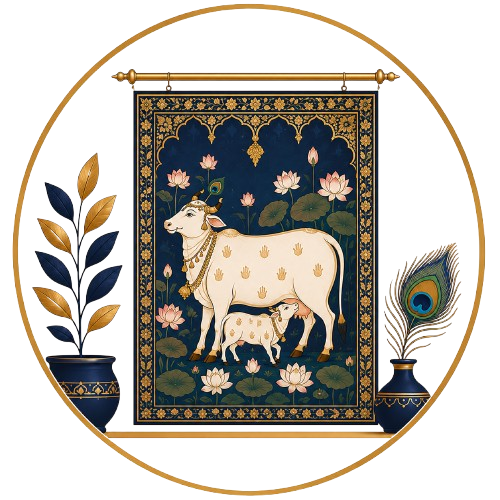
Similarly, cultural artwork, typography, calligraphy and heritage-inspired designs can give a room a stronger sense of identity.
The key is to choose artwork that feels intentional and connected to the personality of the space.
Canvas Wall Art Ideas
Canvas wall art remains a popular choice because it can create the appearance of a substantial artwork without requiring an elaborate frame.
Canvas works particularly well for:
- Abstract paintings
- Landscapes
- Floral artwork
- Modern artwork
- Large artwork
- Colourful paintings
- Minimalist compositions
- Nature scenes
A large canvas can work as a standalone statement piece, while multiple canvases can be arranged as a coordinated set.
When choosing canvas artwork, pay attention to the dimensions of the wall and the furniture underneath it.
A canvas that is too small can disappear visually, while one that is excessively large can overwhelm the room.
Large and Oversized Wall Art Ideas
Large walls often need a different approach from small walls.
A tiny decorative object placed in the centre of a large blank wall may look disconnected from the rest of the room.
Instead, consider:
- One oversized artwork
- A large horizontal canvas
- A collection of coordinated prints
- A gallery wall
- Multiple large panels
- A statement decorative piece
Oversized wall art can be especially effective above a large sofa, bed, dining table or console.
The goal is not simply to fill the wall. The artwork should visually relate to the furniture and create a balanced composition.
Gallery Wall Ideas
Gallery walls allow you to combine multiple pieces into one larger visual arrangement.
You can create a gallery wall using:
- Family photographs
- Art prints
- Abstract artwork
- Botanical illustrations
- Black and white photography
- Typography
- Small paintings
- Decorative objects
There are two common approaches.
The first is a symmetrical arrangement, where the frames follow a consistent grid.
The second is a more relaxed arrangement, where different sizes and shapes are combined.
For a cohesive gallery wall, use at least one connecting element. This might be a consistent frame colour, shared colour palette, similar subject matter or a repeated visual style.
Wall Art Ideas for Different Rooms
The right artwork can change depending on the room.
Living Room Wall Art Ideas
The living room is usually one of the best places for statement wall art because it is often the social centre of the home.
The wall above the sofa is a natural focal point.
Consider:
- Large abstract artwork
- Oversized canvas art
- Gallery walls
- Landscape paintings
- Modern artwork
- Black and white photography
- Colourful statement pieces
If your sofa is visually dominant, choose artwork that complements its proportions.
For a long sofa, a horizontal artwork or a group of several pieces can often create better balance than one small vertical print.
Bedroom Wall Art Ideas
Bedroom artwork should generally support a relaxing atmosphere.
Soft abstract compositions, botanical artwork, landscapes, moon-inspired designs, minimal artwork and calming colours can all work well.
The wall above the bed is a natural focal area.
You can use one large artwork, two coordinated pieces or a wider gallery arrangement.
Avoid choosing artwork simply because it is popular. Your bedroom should feel personal and comfortable.
Dining Room Wall Art Ideas
Dining spaces provide an opportunity for artwork with stronger colour or personality.
Food-inspired artwork, botanical designs, abstract compositions, landscapes and decorative arrangements can work well.
A large artwork placed near the dining table can help define the dining area, particularly in open-plan interiors.
Kitchen Wall Art Ideas
Kitchen walls do not need to be purely functional.
Depending on the available space, you can use:
- Small framed prints
- Food and botanical artwork
- Typography
- Decorative plates
- Simple illustrations
- Small canvas artwork
Because kitchens often contain many functional objects, keep the wall arrangement relatively controlled.
Home Office Wall Art Ideas
Your workspace can influence your mood and productivity.
Home office wall art can include abstract artwork, motivational typography, architectural prints, nature artwork, black and white photography or personal images.
A home office does not need to look corporate. Artwork can make the space feel more personal and inspiring.
Choose pieces that you enjoy looking at rather than simply filling the wall.
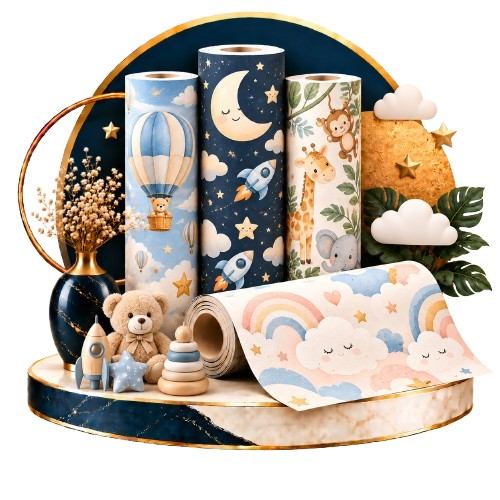
Nursery and Children’s Room Wall Art
Children’s rooms offer more freedom to experiment with colour and themes.
Animal artwork, playful illustrations, stars, clouds, nature, characters, typography and colourful designs can create a cheerful environment.
For a nursery, softer colours and simpler compositions can create a calmer appearance.
As the child grows, artwork can also become a way of reflecting changing interests.
Wall Art Ideas for Empty Walls
An empty wall is not automatically a problem. Sometimes leaving part of a wall open creates visual breathing room.
But if a wall feels unfinished, first determine why.
Is the wall too large?
Does it need a focal point?
Is there furniture underneath it?
Does the room lack colour?
Does the wall need decoration or simply better furniture placement?
Once you understand the problem, choose the solution.
For a large empty wall, consider oversized art or a gallery wall.
For a narrow wall, consider vertical artwork.
For a small section of wall, a single framed print, mirror or compact artwork may be enough.
Wall Art for Tall Walls and Staircases
Tall walls can be challenging because standard-sized artwork may appear too small.
Vertical artworks can emphasise the height of the space, while stacked frames can create a stronger visual connection between floor and ceiling.
Staircase walls can also be used for gallery arrangements.
When decorating a staircase, follow the movement of the stairs rather than trying to create a completely level composition.
This makes the artwork feel connected to the architecture.
Decorative Wall Art Beyond Paintings
Wall art does not always mean a painting.
There are many ways to decorate walls using different materials and objects.
Mirrors
Decorative mirrors can make a room feel brighter and more spacious while also functioning as wall décor.
A large statement mirror can act as a focal point, while a group of smaller mirrors can create an artistic arrangement.
Metal Wall Art
Metal wall décor can introduce texture and dimension.
It can include geometric designs, botanical motifs, flowers, trees, abstract shapes and sculptural elements.
Metal artwork is especially useful when a room needs more visual texture.
Wooden Wall Décor
Wooden artwork can bring warmth to an interior.
Natural wood, carved designs, geometric panels and tree-inspired pieces can work with rustic, bohemian, modern and contemporary interiors.
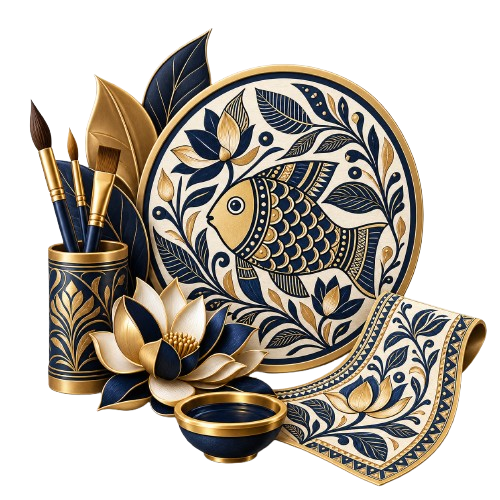
Decorative Plates and Plaques
Decorative plates and wall plaques can be arranged individually or as collections.
They are particularly effective when the goal is to create a more collected, traditional or eclectic look.
Wall Clocks
A decorative wall clock can function as both a practical object and a design feature.
Large clocks can work particularly well on wide empty walls where a small decorative object would feel lost.
DIY Wall Decoration Ideas
You do not always need to purchase finished artwork.
DIY wall decoration can be an affordable way to personalise your home.
Some ideas include:
- Handmade paper art
- Photo arrangements
- Simple painted canvases
- Pressed botanical artwork
- DIY geometric designs
- Fabric wall hangings
- Upcycled materials
- Handmade frames
- Typography artwork
- Children’s artwork
DIY does not have to mean complicated.
Sometimes a simple idea executed neatly can look more attractive than a complicated project.
The most important factor is consistency. Use a controlled colour palette and give each piece enough space.
How to Choose the Right Wall Art Size
Size is one of the most important considerations when choosing artwork.
Before purchasing anything, measure the wall and the furniture underneath it.
For artwork above a sofa, bed or console, think about the relationship between the artwork and the furniture rather than looking at the wall alone.
A common mistake is selecting artwork that is too small.
A small artwork may look beautiful by itself but appear disconnected when placed above a large sofa.
If you have a large wall, consider using either one substantial statement piece or several smaller pieces that collectively occupy enough visual space.
How High Should You Hang Wall Art?
Artwork should generally feel connected to the furniture and the people using the room.
Hanging artwork too high can make it look disconnected.
Instead of automatically placing artwork near the ceiling, consider the viewing position and the furniture below it.
For artwork above furniture, leave enough visual breathing room between the artwork and the furniture without creating an excessive gap.
Gallery walls should also be treated as one visual unit rather than measuring every individual frame separately.
How to Match Wall Art With Your Interior
The easiest way to choose wall art is to identify three things:
1. Your room’s dominant colours
Look at your walls, furniture, curtains, rugs and accessories.
Choose artwork that either complements these colours or introduces a deliberate accent.
2. Your room’s design style
A minimalist room may benefit from simple artwork.
A traditional room may suit classic paintings.
A bohemian interior can support layered textures and organic designs.
A contemporary room can handle bold abstract or graphic artwork.
3. Your desired mood
Ask yourself how you want the room to feel.
Calm?
Warm?
Energetic?
Luxurious?
Creative?
Playful?
Sophisticated?
Your artwork should support that emotional direction.
How to Create a Statement Wall
A statement wall does not necessarily require painting the entire wall a different colour.
Artwork itself can create a statement.
One large abstract canvas can become a statement.
A dramatic floral painting can become a statement.
A carefully arranged gallery wall can become a statement.
A large decorative mirror or sculptural wall installation can also work.
The secret is to give the focal element enough space.
If every wall contains a statement piece, nothing feels like the statement anymore.
Mixing Different Wall Art Styles
You can mix artwork styles, but there should be something connecting them.
For example, you might combine:
- Abstract art with botanical prints
- Photography with typography
- Modern artwork with vintage-inspired pieces
- Paintings with decorative objects
- Black and white prints with one colourful artwork
To make different pieces feel intentional, connect them through colour, framing, subject matter or composition.
This is especially important for gallery walls.
How to Make Wall Art Feel Personal
The most successful interiors rarely look as though every piece was purchased from the same collection.
Your home should reflect your personality.
Consider including artwork inspired by:
- Places you have visited
- Your favourite colours
- Nature
- Family
- Personal interests
- Cultural influences
- Hobbies
- Music
- Architecture
- Memories
Even a highly modern interior can become more welcoming when the artwork has personal meaning.
Common Wall Art Mistakes to Avoid
Choosing wall art can be exciting, but a few common mistakes can affect the final result.
Choosing Artwork That Is Too Small
The most common mistake is underestimating the size required for a wall.
Always consider the entire composition, including furniture below the artwork.
Matching Everything Too Closely
Artwork does not need to exactly match your cushions, curtains or sofa.
A little contrast can make an interior more interesting.
Filling Every Empty Space
Not every blank area needs decoration.
Negative space helps important artwork stand out.
Ignoring the Room’s Proportions
A very tall artwork in a low, wide room may feel disconnected.
Similarly, a tiny horizontal print may disappear on a very tall wall.
Choose artwork based on the proportions of the space.
Using Too Many Competing Focal Points
If you have several very bold pieces in one room, they may compete for attention.
Choose one primary focal point and allow the rest of the décor to support it.
How to Build a Cohesive Wall Art Collection
If you are decorating several rooms, you do not have to use identical artwork throughout the home.
Instead, create a subtle visual connection.
You might repeat:
- A colour
- A frame material
- A subject
- A texture
- A style
- A particular artistic approach
For example, one room might feature abstract artwork with warm neutral tones while another uses botanical artwork containing similar colours.
The rooms remain individual but still feel connected.
Wall Art Ideas for Small Homes and Apartments
Small spaces benefit from carefully selected wall décor.
Instead of using many small decorative objects, consider one or two strong pieces.
Mirrors can help reflect light, while vertical artwork can draw attention upward.
Small gallery walls can also work well when the frames and spacing are kept consistent.
For compact apartments, avoid decorating every available wall. A few intentional pieces can make the space feel more sophisticated and less cluttered.
Luxury Wall Art Ideas
Luxury does not necessarily mean using the most expensive artwork.
A luxurious-looking wall often comes from proportion, restraint and quality.
Consider:
- Large statement artwork
- Sophisticated abstract paintings
- Neutral palettes
- Elegant framing
- Carefully spaced gallery walls
- Metallic accents
- High-contrast black and white artwork
- Large-scale botanical designs
A simple, well-positioned artwork can look considerably more luxurious than an overcrowded wall filled with unrelated décor.
Unique Wall Art Ideas
If you want your home to look different, move beyond predictable combinations.
Try:
- Oversized abstract artwork
- Sculptural metal wall pieces
- Mixed-material arrangements
- Unexpected colour combinations
- Large botanical compositions
- Artistic mirrors
- Layered gallery walls
- Typography combined with artwork
- Custom or personalised pieces
- One dramatic statement piece on an otherwise quiet wall
Uniqueness does not mean choosing something unusual simply for the sake of being different.
The best unique wall décor still feels connected to the room.
How to Choose Wall Art for Your Home: A Simple Process
If you are overwhelmed by the number of choices available, use this simple process.
Step 1: Choose the wall
Identify the wall you want to decorate.
Step 2: Measure the available area
Measure both the width and height.
Step 3: Consider the furniture
Look at the sofa, bed, console, dining table or desk underneath the wall.
Step 4: Decide whether you need one piece or several
Large walls may benefit from oversized artwork or a collection.
Small walls may only need one piece.
Step 5: Choose your style
Modern, abstract, minimalist, boho, rustic, traditional, contemporary or something more personal.
Step 6: Choose your subject
Abstract, floral, nature, landscape, animal, photography, typography, cultural or decorative.
Step 7: Select the colour palette
Decide whether the artwork should blend into the room or become a contrasting focal point.
Step 8: Check the proportions
Before buying, visualise the artwork on the wall.
Step 9: Give it enough space
Avoid crowding your artwork with too many nearby decorative elements.
Step 10: Trust your personal taste
Your home should ultimately feel like yours.
Final Thoughts: Find Wall Art That Feels Right for Your Space
The best wall art ideas are not necessarily the most complicated ones.
Sometimes one large abstract canvas is enough to transform an empty living room wall. Sometimes a collection of botanical prints creates the perfect bedroom atmosphere. A colourful artwork can bring energy to a neutral interior, while black and white artwork can add sophistication without introducing additional colours.
The right choice depends on your room, your existing décor, your available wall space and, most importantly, your personal style.
Start with the wall you want to transform. Look at its size, the furniture around it and the colours already present in the room. Then choose an artwork style, subject and colour palette that supports the atmosphere you want to create.
Whether you prefer modern artwork, abstract paintings, floral designs, nature scenes, animal art, canvas prints, oversized wall art, minimalist compositions or a more eclectic collection, there are countless ways to turn an empty wall into a meaningful part of your home.
At Canvasora, wall art can be more than a decorative finishing touch. It can become the visual element that brings the entire room together.
Choose artwork that catches your attention, complements your space and continues to feel right long after the first impression.
Your walls are part of your home. Give them something worth looking at.