
Canvas Wall Art Ideas: Stylish Canvas Artwork for Every Room

Canvas wall art is one of the most versatile ways to decorate an interior. It can bring colour to an empty wall, create a focal point above a sofa, add personality to a bedroom, or turn a large blank surface into a statement feature.
From modern canvas wall art and abstract paintings to floral artwork, landscapes, animal designs, minimalist compositions, and colourful contemporary pieces, canvas provides a flexible way to display artwork throughout the home.
One of the biggest advantages of canvas is its ability to work at different scales. A small canvas can add a subtle decorative detail to a hallway, while a large canvas painting can completely transform a living room wall.
But choosing canvas wall art isn’t simply about finding an attractive image. The artwork should work with the room’s size, furniture, colour palette, lighting, interior style, and available wall space.
In this guide, we’ll explore the best canvas wall art ideas, how to choose the right canvas size, where to place canvas artwork, how to style multiple canvases, and how to create a polished contemporary wall.
What Is Canvas Wall Art?
Canvas wall art is artwork displayed on a canvas surface, typically stretched over a frame or mounted onto a suitable support.
Canvas can be used for many different artistic styles, including:
- Abstract paintings
- Modern artwork
- Landscapes
- Floral paintings
- Botanical artwork
- Animal artwork
- Wildlife paintings
- Minimalist art
- Geometric designs
- Black and white artwork
- Colourful contemporary art
- Photography
- Typography
- Digital artwork
This versatility makes canvas suitable for almost every room and interior style.
Why Choose Canvas Wall Art?
Canvas has several qualities that make it particularly useful for interior decoration.
1. It works at large scale
Canvas can be particularly effective for oversized artwork and large statement pieces.
2. It suits modern interiors
The clean presentation of canvas can complement contemporary furniture and minimalist spaces.
3. It can introduce colour
A large canvas provides enough visual area for an artwork’s colour palette to influence the room.
4. It creates a focal point
A carefully chosen canvas painting can become the main visual feature of a wall.
5. It works with many subjects
You are not restricted to one artistic style when choosing canvas artwork.
20 Canvas Wall Art Ideas for Your Home
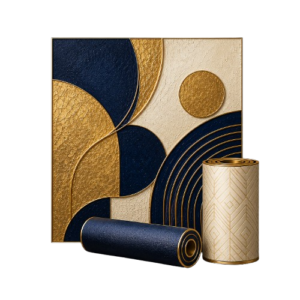
1. Choose a Large Abstract Canvas
Large abstract canvas artwork is one of the easiest ways to create a contemporary statement wall.
A large composition can bring together the colours and textures of a room while providing a strong visual focal point.
Consider:
- Neutral abstract artwork
- Geometric compositions
- Organic abstract designs
- Colourful modern paintings
- Textured abstract artwork
- Black and white compositions
A large abstract canvas can work particularly well above a sofa, sideboard, or dining table.
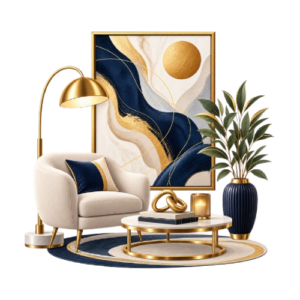
2. Create a Modern Canvas Feature Wall
A modern canvas painting can completely change an otherwise plain wall.
Instead of adding several unrelated decorative items, select one strong artwork and allow it to become the focal point.
This works particularly well in contemporary living rooms and bedrooms.
Choose artwork that complements the room’s architecture, furniture, and colour palette.
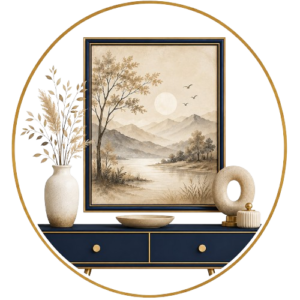
3. Use Canvas Landscape Artwork
Landscape canvas paintings can bring a sense of depth and openness into an interior.
Popular subjects include:
- Mountains
- Forests
- Oceans
- Beaches
- Lakes
- Countryside
- Waterfalls
- Deserts
- Sunsets
A wide landscape canvas can work particularly well above long furniture.
4. Add Floral Canvas Artwork
Floral canvas art can introduce softness and colour.
Large flower paintings, contemporary botanical compositions, and abstract floral artwork can all work beautifully in living rooms and bedrooms.
If your room is neutral, colourful floral artwork can become an accent feature.
If your room already contains strong colours, consider a restrained floral palette.
5. Choose Animal Canvas Art
Animal artwork can add personality and character.
Consider:
- Lions
- Tigers
- Elephants
- Horses
- Birds
- Deer
- Leopards
- Wildlife scenes
A large animal portrait can become a dramatic focal point in a living room, office, or hallway.
6. Try Black and White Canvas Art
Black and white artwork is highly versatile.
It can provide contrast without introducing a new colour palette.
Consider:
- Monochrome photography
- Abstract artwork
- Architectural designs
- Animal portraits
- Minimalist illustrations
- Typography
Black and white canvas works particularly well in modern and minimalist interiors.
7. Create a Neutral Canvas Wall
Neutral artwork can add depth without making a room feel visually busy.
Look for combinations of:
- Beige
- Cream
- Taupe
- Greige
- Brown
- White
- Charcoal
Neutral canvas art can work especially well with natural wood, linen, stone, and other organic materials.
8. Introduce Bold Colour With Canvas
Canvas artwork can be an excellent way to introduce a stronger accent colour.
If your interior is mostly neutral, choose a painting featuring one or two distinctive colours.
For example:
- Blue in a beige room
- Green in a cream interior
- Terracotta against white
- Mustard against grey
- Deep red against neutral furniture
Use the artwork as the starting point for small colour accents throughout the room.
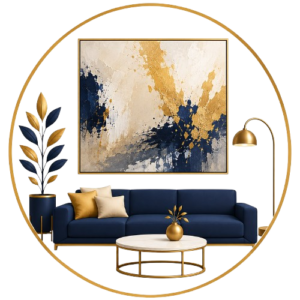
9. Use Canvas Above the Sofa
The sofa wall is one of the most important locations for wall art.
A large horizontal canvas can visually anchor the sofa and create a stronger connection between the furniture and wall.
Consider:
- One large painting
- A panoramic canvas
- Two coordinated canvases
- A three-panel composition
The artwork should feel proportional to the sofa rather than appearing too small.
10. Place Canvas Artwork Above the Bed
Canvas can create a clean and contemporary bedroom feature.
Choose artwork according to the mood you want.
For a relaxing bedroom, consider:
- Soft abstract artwork
- Neutral compositions
- Ocean scenes
- Botanical designs
- Minimalist landscapes
For a more expressive bedroom, consider stronger colours or larger abstract artwork.
11. Create a Canvas Gallery Wall
You don’t have to use one large canvas.
Several smaller canvases can be arranged as a gallery wall.
You can combine:
- Abstract art
- Botanical artwork
- Photography
- Minimalist designs
- Typography
- Small landscapes
For a cohesive appearance, establish a connection through colour, subject, framing, or artistic style.
12. Try a Canvas Diptych
A diptych uses two coordinated artwork panels.
This can be an excellent choice for a wide wall where one canvas might feel too dominant.
The two panels can create:
- One continuous composition
- Two related abstract designs
- Two complementary landscapes
- Two coordinated botanical pieces
Maintain consistent spacing between the panels.
13. Use a Canvas Triptych
A triptych consists of three related panels.
This format can create substantial visual impact while breaking one composition into multiple sections.
Triptychs work particularly well above:
- Large sofas
- Beds
- Dining tables
- Sideboards
Choose a composition designed to work across three panels rather than simply dividing an unrelated image.
14. Decorate a Home Office With Canvas
Canvas artwork can make a home office feel more personal and inspiring.
Consider:
- Abstract paintings
- Geometric artwork
- Architectural artwork
- Minimalist compositions
- Black and white photography
- Nature-inspired artwork
One carefully chosen canvas behind or beside the desk can be enough to transform the space.
15. Add Canvas Art to the Dining Room
Dining rooms are ideal for artwork with stronger colour or visual expression.
Consider:
- Abstract paintings
- Floral artwork
- Landscapes
- Contemporary still life
- Geometric compositions
A large canvas above a sideboard or behind the dining area can create a sophisticated feature.
16. Use Canvas Artwork in the Entryway
A canvas painting can make an entryway feel more complete.
A single artwork above a console table can establish the style of the home.
For narrow walls, consider a vertical canvas.
For wider walls, a horizontal composition may work better.
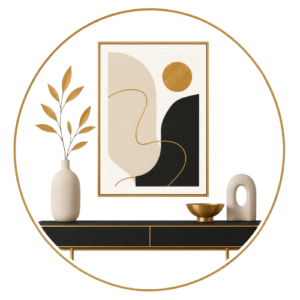
17. Create a Minimalist Canvas Display
Minimalist canvas artwork doesn’t need to be visually complex.
Choose:
- Simple lines
- Limited colours
- Large areas of negative space
- Restrained geometric shapes
- Subtle textures
A single minimalist canvas can create a strong statement while keeping the room uncluttered.
18. Use Oversized Canvas Artwork
If you have a large blank wall, an oversized canvas can create an immediate focal point.
Consider:
- Large abstract paintings
- Oversized landscapes
- Large floral artwork
- Wildlife portraits
- Contemporary compositions
Always measure the wall and furniture first.
The objective is to create the correct visual proportion rather than simply choosing the largest canvas available.
19. Create a Colour Story With Canvas Art
Your canvas artwork can become the visual starting point for the room.
For example, if your painting contains:
- Beige
- Black
- Olive green
- Terracotta
You could repeat those colours subtly through cushions, rugs, plants, ceramics, or other décor.
This creates cohesion without making everything look perfectly matched.
20. Make One Canvas the Hero Piece
Sometimes one artwork is all a room needs.
Choose a piece that captures the mood you want and give it enough surrounding space.
This approach works particularly well in modern interiors where simplicity and negative space are important.
Canvas Wall Art Ideas by Room
Canvas Wall Art for the Living Room
Living rooms are ideal for large canvas artwork.
Popular choices include:
- Abstract paintings
- Landscapes
- Floral artwork
- Animal artwork
- Geometric designs
- Black and white artwork
A large canvas above the sofa can become the primary focal point.
Canvas Wall Art for the Bedroom
Bedrooms generally benefit from artwork that feels calm and balanced.
Consider neutral abstracts, botanical artwork, landscapes, ocean scenes, or minimalist compositions.
Canvas Wall Art for the Home Office
Choose artwork that reflects your personality while maintaining a focused environment.
Geometric, abstract, architectural, and minimalist canvas artwork can all work well.
Canvas Wall Art for the Dining Room
Dining rooms can accommodate bolder artwork.
Try colourful abstracts, floral paintings, landscapes, or contemporary compositions.
Canvas Wall Art for the Entryway
Use a single artwork to make a strong first impression.
A vertical canvas can work particularly well on a narrow wall.
How to Choose the Right Canvas Size
Choosing the correct size is one of the most important parts of buying canvas wall art.
Consider:
Wall width
A large wall can support a larger artwork or multi-panel arrangement.
Furniture width
Artwork above a sofa, bed, or sideboard should relate visually to the furniture below.
Ceiling height
Tall rooms may benefit from larger or vertically oriented artwork.
Viewing distance
Highly detailed artwork requires an appropriate viewing distance to be appreciated.
Surrounding space
Leave enough breathing room around a statement canvas.
Horizontal vs Vertical Canvas Artwork
Horizontal canvas
Works particularly well above:
- Sofas
- Beds
- Dining tables
- Sideboards
- Long consoles
It emphasizes width.
Vertical canvas
Works particularly well on:
- Narrow walls
- Hallways
- Entryways
- Staircases
- Tall walls
It emphasizes height.
Choose the orientation according to the shape of the available wall.
One Canvas or Multiple Canvases?
Both approaches can work.
Choose one canvas when:
- You want a strong focal point.
- The artwork is visually powerful.
- The wall is relatively simple.
- You prefer a minimalist appearance.
Choose multiple canvases when:
- You want a gallery effect.
- You have several related artworks.
- The wall is particularly wide.
- You want more visual layering.
The important thing is to maintain a relationship between the pieces.
How to Arrange Multiple Canvas Prints
Keep spacing consistent
Uneven spacing can make an arrangement feel accidental.
Establish a visual connection
Use similar colours, subjects, styles, or proportions.
Create hierarchy
One artwork can act as the anchor while smaller pieces support it.
Avoid overcrowding
Give every artwork enough space to remain visually distinct.
How to Match Canvas Art With Your Interior
Canvas artwork does not need to match your furniture exactly.
Instead, create visual relationships.
Neutral furniture
Use colourful canvas artwork as an accent or neutral artwork for a restrained look.
Dark furniture
Lighter artwork can provide contrast.
Colourful furniture
Consider artwork with a controlled palette.
Natural materials
Earthy landscapes, botanical artwork, and organic abstracts can complement wood, stone, linen, and rattan.
Canvas Wall Art for Different Interior Styles
Modern
Choose abstract, geometric, minimalist, or contemporary artwork.
Minimalist
Choose simple compositions with limited colours.
Rustic
Landscape, nature, botanical, and earthy artwork can work particularly well.
Bohemian
Colourful artwork, botanical compositions, abstract designs, and eclectic combinations can create a relaxed atmosphere.
Luxury
Consider large-scale artwork, sophisticated colour palettes, strong composition, and carefully selected presentation.
How to Make Canvas Wall Art Look Expensive
A premium-looking wall is often more about presentation than the number of decorations.
Choose the right scale
Correct proportions immediately make a wall look more intentional.
Give the artwork space
Avoid surrounding a statement canvas with too many unrelated objects.
Coordinate the colours
Repeat subtle colours from the artwork throughout the room.
Consider the frame or edges
Depending on the canvas style, clean edges or a suitable frame can provide a more finished appearance.
Keep the arrangement intentional
Consistent spacing and alignment create a professionally styled appearance.
How to Care for Canvas Wall Art
Canvas artwork should be treated carefully to preserve its appearance.
Avoid placing artwork where it is exposed unnecessarily to:
- Direct sunlight
- Excessive moisture
- Extreme temperature changes
- Dust accumulation
When cleaning, use an appropriate gentle method for the specific canvas finish rather than applying harsh household cleaners directly to the artwork.
Placement also matters. Choose a wall where the artwork can remain protected while still being clearly visible.
Common Canvas Wall Art Mistakes
Choosing the wrong size
A beautiful artwork can look underwhelming if it is too small for the wall.
Ignoring the room’s colour palette
Large artwork introduces a significant amount of colour.
Hanging too many pieces
Canvas artwork can quickly make a wall feel crowded.
Choosing artwork without considering furniture
The artwork should relate to the furniture below it.
Following trends instead of personal taste
A popular design isn’t automatically right for your home.
Choose artwork you will enjoy living with.
Canvas Wall Art Size & Spacing Guide
Choosing the artwork is only half the job. Getting the size and spacing right is what makes canvas wall art look professionally styled.
Use these practical measurements as starting points, then adjust them according to your room, furniture, and personal preference.
How Wide Should Canvas Art Be Above a Sofa?
For artwork placed above a sofa, aim for the artwork to occupy approximately 60–75% of the sofa’s width.
For example:
| Sofa Width | Recommended Artwork Width |
| 150 cm | 90–115 cm |
| 180 cm | 110–135 cm |
| 210 cm | 125–160 cm |
| 240 cm | 145–180 cm |
| 270 cm | 160–205 cm |
| 300 cm | 180–225 cm |
If you’re using multiple canvases, calculate the total width of the complete arrangement, including the gaps between pieces.
Example
For a 240 cm sofa:
Single canvas:
Choose approximately 150–180 cm wide.
Two canvases:
Two 70 cm canvases + 10 cm gap = 150 cm total
Three canvases:
Three 50 cm canvases + two 10 cm gaps = 170 cm total
This keeps the entire arrangement visually connected to the sofa.
How Much Space Should Be Between a Sofa and Canvas Art?
For artwork above a sofa, leave approximately 15–25 cm between the top of the sofa and the bottom of the artwork.
A good starting point is around 20 cm.
If the gap becomes much larger, the artwork can appear disconnected from the furniture.
If it is too small, the wall can feel cramped.
Quick rule
Sofa → 15–25 cm gap → Canvas
For very tall artwork or unusually high-backed furniture, adjust the distance according to the overall composition.
How High Should Canvas Art Be Hung?
For a single artwork on an open wall, position the centre of the artwork around 145–155 cm from the floor as a practical starting point.
However, when artwork is placed above furniture, the furniture should take priority.
For example:
Above a sofa:
Keep approximately 15–25 cm between sofa and artwork.
Above a sideboard:
Keep approximately 15–25 cm between the furniture and artwork.
Above a bed/headboard:
Keep approximately 15–25 cm between the headboard and artwork where the composition allows.
The artwork should visually belong to the furniture beneath it rather than simply being centred on the wall.
How Much Space Should Be Between Multiple Canvas Prints?
Spacing has a major effect on whether a multi-canvas arrangement looks intentional.
For most canvas arrangements, start with:
5–10 cm between smaller canvases
This works well for:
- Gallery walls
- Small canvas sets
- Compact arrangements
- Bedroom artwork
8–15 cm between larger canvases
This works well for:
- Large diptychs
- Large triptychs
- Oversized canvas sets
- Wide living-room arrangements
10–15 cm for strong visual separation
Use a larger gap when you want each artwork to feel more independent.
As a general rule, keep the spacing consistent throughout the arrangement.
How Much Space Should Be Between Two Canvas Panels?
For a diptych, a gap of approximately 8–12 cm is a strong starting point.
For example:
70 cm canvas + 10 cm gap + 70 cm canvas = 150 cm total width
The complete 150 cm arrangement should then be positioned according to the furniture beneath it.
Avoid making the gap so wide that the two artworks appear unrelated.
How Much Space Should Be Between Three Canvas Panels?
For a triptych, begin with approximately 8–12 cm between each panel.
For example:
50 cm + 10 cm + 50 cm + 10 cm + 50 cm = 170 cm total width
Always calculate the overall width of the arrangement, not just the individual canvas dimensions.
This is particularly important when shopping for multi-panel artwork.
Canvas Size Guide by Wall Width
If you’re decorating an empty wall rather than placing artwork above furniture, use the wall width as your starting point.
| Wall Width | Suggested Canvas Width |
| 100–150 cm | 60–100 cm |
| 150–200 cm | 90–140 cm |
| 200–250 cm | 120–175 cm |
| 250–300 cm | 150–210 cm |
| 300–400 cm | 180–280 cm |
| 400+ cm | 240 cm+ or multi-panel |
These are starting ranges rather than strict rules.
For a minimalist interior, you may deliberately choose a smaller artwork and use the surrounding negative space as part of the design.
Canvas Size Guide by Room
Living Room
For a standard sofa wall:
Medium room:
120–180 cm wide artwork
Large room:
160–240 cm wide artwork
Very large wall:
200–300+ cm total arrangement
For especially large walls, consider an oversized canvas, panoramic artwork, diptych, triptych, or gallery arrangement.
Bedroom
For artwork above a double or queen-sized bed:
Single canvas:
120–180 cm wide
Two-piece arrangement:
Approximately 120–180 cm total width
Three-piece arrangement:
Approximately 140–200 cm total width
Keep the artwork visually connected to the headboard rather than allowing it to float too high.
Dining Room
For artwork above a dining table:
Aim for approximately 60–75% of the table’s width.
For example:
| Table Width | Artwork Width |
| 140 cm | 85–105 cm |
| 160 cm | 95–120 cm |
| 180 cm | 110–135 cm |
| 200 cm | 120–150 cm |
| 240 cm | 145–180 cm |
A wide panoramic canvas can work particularly well above long dining tables.
Vertical Canvas Size Guide
Vertical artwork is useful when the wall is narrow or tall.
Consider a vertical canvas when decorating:
- Entryways
- Hallways
- Staircases
- Narrow walls
- Tall ceilings
- Beside furniture
- Between windows
For a narrow wall, a canvas around 50–80 cm wide can often provide enough visual presence without overwhelming the space.
For taller walls, consider increasing the height rather than simply adding width.
How Much Empty Space Should Be Around Canvas Art?
Don’t feel the need to fill every centimetre of a wall.
Negative space is particularly important with modern and minimalist canvas artwork.
As a practical guide, allow the artwork to have visible breathing room around it.
If a canvas is surrounded immediately by shelves, lamps, plants, frames, and decorative objects, its visual impact can become diluted.
For a statement piece, less surrounding decoration is often better.
The 60–75% Rule for Furniture
When artwork is positioned above furniture, use this simple rule:
Artwork or the complete artwork arrangement should generally occupy around 60–75% of the furniture’s width.
This works well for:
- Sofas
- Beds
- Sideboards
- Consoles
- Dining tables
It isn’t a rigid design law, but it provides a reliable starting point when you’re unsure what size to buy.
The 15–25 cm Rule for Vertical Spacing
When artwork sits directly above furniture, start with:
15–25 cm between the furniture and the artwork.
Use the smaller end of the range when you want a tighter, more connected composition.
Use the larger end when the artwork is particularly large or the furniture is visually substantial.
The 5–15 cm Rule for Multiple Canvases
For multiple canvas pieces:
5–10 cm works well for smaller pieces.
8–15 cm works well for larger pieces.
The most important factor is consistency.
For example, don’t use 7 cm between the first two canvases and 18 cm between the second and third unless you are deliberately creating an asymmetrical composition.
How to Calculate the Total Width of a Canvas Arrangement
This is especially important when buying diptychs and triptychs.
Use:
Total width = canvas widths + all gaps
Example: Two canvases
70 cm + 70 cm + 10 cm gap
Total = 150 cm
Example: Three canvases
50 cm + 50 cm + 50 cm + two 10 cm gaps
Total = 170 cm
Example: Four canvases
40 cm × 4 + three 8 cm gaps
Total = 184 cm
Always use the total arrangement width when comparing it with your sofa, bed, dining table, or wall.
A Simple Measuring Method Before You Buy
Before ordering canvas artwork, use masking tape to mark the approximate outer dimensions directly on the wall.
For example, if you’re considering a 180 × 80 cm canvas:
- Measure 180 cm horizontally.
- Measure 80 cm vertically.
- Mark the four corners with removable tape.
- Step back several metres.
- Look at the artwork area from the normal viewing position.
- Check its relationship with the furniture below.
- Adjust the dimensions before purchasing if necessary.
For multi-panel artwork, mark the complete arrangement, including the intended gaps.
This simple test can prevent one of the most common wall-art mistakes: buying artwork that looks impressive online but is the wrong size for the actual room.
Quick Canvas Wall Art Cheat Sheet
If you want a simple starting point, remember these five measurements:
Above furniture:
15–25 cm gap
Artwork width:
Approximately 60–75% of furniture width
Between smaller canvases:
5–10 cm
Between larger canvases:
8–15 cm
Open-wall artwork centre:
Approximately 145–155 cm from the floor
Use these measurements as starting points, then adjust according to your wall, furniture, ceiling height, and preferred visual style.
Frequently Asked Questions About Canvas Wall Art
Is canvas wall art good for modern homes?
Yes. Canvas is particularly versatile for modern interiors because it works well with abstract, minimalist, geometric, contemporary, and large-scale artwork.
What type of canvas art is best for a living room?
Large abstract artwork, landscapes, floral paintings, animal artwork, and contemporary compositions are all strong choices for living rooms.
Is canvas art good for bedrooms?
Yes. Neutral abstracts, botanical artwork, landscapes, ocean scenes, and minimalist designs can create a relaxing bedroom atmosphere.
Should canvas wall art be framed?
Not necessarily. Unframed canvas can create a clean contemporary appearance, while framed canvas can provide additional structure. The best option depends on the artwork and interior style.
How do I choose the right canvas size?
Consider the wall dimensions, furniture below the artwork, ceiling height, viewing distance, and surrounding décor. The goal is to achieve visual proportion.
Can I put multiple canvas prints together?
Yes. Multiple canvases can create a gallery wall, diptych, or triptych. Keep the arrangement cohesive through colour, style, subject, framing, or spacing.
Is oversized canvas wall art good for large walls?
Yes. Large canvas artwork can provide the visual weight needed to balance a spacious wall and can become an effective focal point.
What canvas art looks best above a sofa?
Large horizontal abstract artwork, landscapes, panoramic compositions, and coordinated multi-panel canvas art can work particularly well above sofas.
Can canvas artwork work in a small room?
Yes. The key is choosing an appropriate size. One well-proportioned canvas can often create a stronger result than several small unrelated decorations.
How do I choose canvas art for a neutral room?
You can either continue the neutral palette with beige, cream, grey, brown, or black artwork, or use the canvas to introduce one strong accent colour.
Turn Your Walls Into Art
Canvas wall art offers an enormous amount of flexibility.
You can use one oversized abstract painting to transform a living room, a peaceful landscape to create a relaxing bedroom, a botanical canvas to bring nature indoors, or a colourful contemporary composition to give a neutral interior a completely new character.
The most important thing is to think beyond the artwork itself.
Consider the wall, furniture, proportions, colour palette, lighting, interior style, and atmosphere you want to create. When all of these elements work together, even a simple canvas can have a powerful effect.
At Canvasora, canvas artwork can become the visual centrepiece of your interior rather than simply another decorative item. Explore artwork that complements your space and choose a design that gives your walls personality, colour, and character.
Explore More Wall Art Inspiration
Continue exploring our related guides:
- Modern Wall Art Ideas for contemporary interiors
- Abstract Wall Art Ideas for expressive artwork
- Floral & Botanical Wall Art Ideas for nature-inspired décor
- Nature & Landscape Wall Art Ideas for scenic artwork
- Animal & Wildlife Wall Art Ideas for distinctive artwork
- Large & Oversized Wall Art Ideas for statement walls
- Living Room Wall Art Ideas for sofa and feature walls
- Bedroom Wall Art Ideas for relaxing spaces
- Gallery Wall Ideas for multi-piece arrangements