
Vintage & Victorian Interior Design Ideas: 20 Elegant Ways to Create a Timeless Home

Vintage interior design brings history, character, craftsmanship, and personality into a home. Instead of relying entirely on new furniture and contemporary finishes, vintage interiors combine older design influences, distinctive furniture, traditional materials, antique-inspired accessories, patterns, and carefully selected decorative pieces.
Victorian interior design is one of the richer historical influences within this broader category. It is known for ornate detailing, elaborate furniture, decorative mouldings, rich colours, patterned fabrics, and layered interiors.
However, you do not need to recreate a Victorian-era home to enjoy vintage style today. The most successful vintage interiors combine period-inspired elements with modern furniture, practical storage, contemporary lighting, comfortable textiles, and carefully chosen artwork.
The result is a home that feels collected rather than manufactured—a space where old and new can coexist naturally.
What Is Vintage Interior Design?
Vintage interior design is an approach that uses furniture, colours, materials, patterns, and decorative details inspired by earlier periods.
Common characteristics include:
- Antique or vintage-inspired furniture
- Natural wood
- Traditional patterns
- Ornate mirrors
- Decorative lighting
- Rich textiles
- Brass and aged metal
- Floral and botanical motifs
- Framed artwork
- Books and collectibles
- Layered accessories
- Historical architectural details
Vintage design does not require every item to be genuinely old. Contemporary reproductions and modern pieces can be combined with authentic vintage objects to create the atmosphere.
Vintage vs Victorian Interior Design
Vintage is a broad design category, while Victorian refers more specifically to the design traditions associated with the Victorian period.
| Vintage Interior Design | Victorian Interior Design |
| Can draw from many periods | More closely tied to Victorian influences |
| Flexible colour palette | Often richer and deeper colours |
| Can be minimalist or layered | Typically more decorative |
| Mixes old and new easily | Stronger historical character |
| Broad range of furniture | Ornate furniture and detailing |
| Flexible interpretation | More recognisable period influence |
A modern vintage home might use a mid-century sideboard, traditional artwork, contemporary sofa, and antique-style mirror together.
A Victorian-inspired room will generally feature more elaborate detailing and richer decorative elements.
20 Vintage & Victorian Interior Design Ideas
1. Start With a Warm, Timeless Colour Palette
Vintage interiors work particularly well with colours that feel slightly softened rather than extremely bright.
Consider:
- Cream
- Ivory
- Beige
- Warm white
- Dusty blue
- Sage green
- Olive
- Terracotta
- Muted pink
- Burgundy
- Deep green
For Victorian-inspired interiors, deeper colours such as forest green, burgundy, navy, and warm brown can create a richer atmosphere.
2. Choose Furniture With Character
Vintage furniture often has distinctive shapes that give a room personality.
Look for:
- Wooden sideboards
- Traditional cabinets
- Upholstered armchairs
- Carved tables
- Writing desks
- Classic bed frames
- Console tables
You do not need every piece to look antique.
One or two character pieces can create enough vintage influence in an otherwise contemporary room.
3. Introduce Natural Wood
Wood is an important material for both vintage and Victorian interiors.
Use it for:
- Flooring
- Cabinets
- Tables
- Shelving
- Bed frames
- Consoles
- Sideboards
Dark woods can create a traditional atmosphere, while lighter wood can make a vintage-inspired room feel more contemporary.
4. Add an Ornate Mirror
An ornate mirror can instantly introduce vintage character.
Consider:
- Gold-tone frames
- Wooden frames
- Antique-style finishes
- Arched mirrors
- Decorative carved frames
Place a statement mirror above a console, fireplace, sideboard, or entryway table.
If the mirror is highly decorative, keep the surrounding wall relatively simple.
5. Use Patterned Fabrics
Patterns can make vintage interiors feel collected and layered.
Consider:
- Florals
- Stripes
- Damask
- Checks
- Botanical motifs
- Traditional geometric patterns
The key is coordination.
Choose patterns that share at least one or two colours rather than combining unrelated prints.
6. Create a Vintage Living Room
A vintage living room can combine a comfortable contemporary sofa with an older-looking coffee table, traditional rug, wooden sideboard, classic lamp, and framed artwork.
This mixture of old and new creates a more natural atmosphere than filling the room with matching antique furniture.
For a Victorian influence, add richer fabrics, ornate lighting, decorative mirrors, and deeper colours.
7. Use Vintage-Inspired Lighting
Lighting can establish the period character of a room without major renovation.
Consider:
- Chandeliers
- Table lamps
- Wall sconces
- Brass lamps
- Glass pendant lights
- Traditional floor lamps
Use modern bulbs and electrical fittings where necessary while keeping the visible fixture consistent with the room.
8. Create a Gallery of Framed Artwork
Vintage interiors naturally suit framed artwork.
Consider:
- Botanical prints
- Landscapes
- Portrait-inspired artwork
- Architectural illustrations
- Floral artwork
- Vintage posters
- Black-and-white photography
- Traditional paintings
Mixing different frame styles can work, but maintain a visual relationship between the pieces.
For a more contemporary vintage look, use fewer larger artworks instead of filling every wall.
9. Add a Traditional Rug
A rug can anchor vintage furniture and provide pattern.
Consider:
- Persian-inspired rugs
- Floral rugs
- Oriental-inspired patterns
- Traditional medallions
- Muted geometric designs
The rug should be large enough to connect the major furniture pieces.
A rug that is too small can make the room feel visually disconnected.
10. Create a Victorian-Inspired Living Room
For a stronger Victorian atmosphere, layer:
- Dark wood
- Rich upholstery
- Decorative mouldings
- Patterned curtains
- Ornate mirrors
- Traditional artwork
- Brass or antique-style lighting
However, avoid adding every historical element at once.
A modern sofa or simplified furniture piece can help balance the richer decorative details.
11. Use Decorative Wall Moulding
Wall moulding can give a home architectural character.
Options include:
- Picture-frame moulding
- Wainscoting
- Decorative panels
- Chair rails
- Crown moulding
Moulding works particularly well in dining rooms, living rooms, bedrooms, and hallways.
Paint it in the same colour as the wall for a subtle interpretation or use a tonal contrast for greater definition.
12. Introduce Brass and Aged Metal
Vintage interiors benefit from warm metal finishes.
Use brass, bronze, or aged metal through:
- Door handles
- Cabinet hardware
- Lighting
- Mirrors
- Curtain rods
- Decorative objects
Repeating the same metal finish in several areas can make the room feel cohesive.
13. Create a Vintage Bedroom
A vintage bedroom should feel comfortable and personal.
Combine:
- Wooden or upholstered bed
- Classic bedside tables
- Traditional lamps
- Soft bedding
- Patterned rug
- Framed artwork
- Curtains
For Victorian influence, consider a more substantial headboard, richer fabrics, deeper colours, and decorative details.
14. Use Wallpaper Selectively
Wallpaper can introduce vintage or Victorian character without requiring many accessories.
Consider:
- Botanical patterns
- Small floral prints
- Damask
- Geometric vintage patterns
- Textured designs
Use wallpaper on one feature wall or in a smaller room such as a powder room or reading area.
If the wallpaper is highly patterned, keep the furniture and artwork relatively restrained.
15. Create a Vintage Dining Room
A vintage dining room can centre around a substantial wooden table.
Add:
- Classic dining chairs
- Statement pendant or chandelier
- Sideboard
- Traditional rug
- Large artwork or mirror
For a modern interpretation, combine the traditional table with contemporary dining chairs or lighting.
16. Add Books and Collected Objects
Vintage interiors often feel personal because they contain objects with character.
Display:
- Books
- Ceramics
- Vases
- Small sculptures
- Travel objects
- Decorative boxes
- Framed photographs
Avoid turning every surface into a collection. Leave enough empty space so the room can breathe.
17. Introduce Floral and Botanical Elements
Floral and botanical motifs work naturally with vintage interiors.
Use them through:
- Artwork
- Wallpaper
- Cushions
- Curtains
- Rugs
- Fresh flowers
- Plants
If multiple floral elements are used, keep the colour palette controlled.
18. Mix Vintage Pieces With Modern Furniture
This is one of the easiest ways to make vintage interiors feel current.
Try combinations such as:
Vintage sideboard + contemporary sofa
Traditional mirror + modern console
Antique-style table + contemporary chairs
Vintage rug + minimalist furniture
Classic artwork + modern lighting
The contrast prevents the home from feeling like a historical recreation.
19. Create a Vintage Home Office
A vintage-inspired workspace can combine character with functionality.
Use:
- Wooden desk
- Comfortable chair
- Desk lamp
- Bookshelves
- Framed artwork
- Practical storage
A traditional desk paired with modern technology can create a highly functional but visually distinctive workspace.
20. Edit the Room Carefully
Vintage interiors naturally encourage layering, but too many historical elements can make the space feel cluttered.
After decorating, remove anything that does not contribute to the room.
Keep the strongest pieces and give them enough space to stand out.
Vintage Interior Design Ideas by Room
Vintage Living Room
Combine comfortable seating, traditional furniture, rugs, framed artwork, decorative lighting, and one or two distinctive vintage pieces.
Vintage Bedroom
Use a classic bed, wooden furniture, soft textiles, traditional lamps, patterned fabrics, and artwork.
Vintage Kitchen
Combine classic cabinetry, traditional hardware, open shelving, ceramic accessories, and warm lighting with modern appliances.
Vintage Dining Room
A wooden table, traditional chairs, chandelier, sideboard, and large artwork can create a timeless dining environment.
Vintage Home Office
Use a wooden desk, bookshelves, traditional lighting, framed artwork, and practical modern technology.
Vintage Entryway
A wooden console, ornate mirror, traditional lamp, artwork, and a small rug can establish the vintage character immediately.
Victorian Interior Design Ideas
Victorian interiors can be more elaborate than general vintage interiors.
To introduce Victorian influence, consider:
Rich Colours
Forest green, burgundy, navy, plum, and deep brown can create a dramatic atmosphere.
Ornate Furniture
Carved wooden pieces, upholstered seating, and decorative furniture can reinforce the period character.
Decorative Moulding
Use wall panels, crown moulding, or picture-frame detailing.
Patterned Fabrics
Florals, damask, stripes, and richly textured fabrics can add depth.
Statement Lighting
Chandeliers and decorative wall sconces work particularly well.
Traditional Artwork
Landscapes, portraits, botanical artwork, and classical-inspired paintings can complement the style.
The best contemporary Victorian interiors use these elements selectively rather than reproducing every historical detail.
Vintage Interior Colour Ideas
Vintage interiors can work with both light and dark palettes.
Cream and Beige
Create a soft, timeless foundation.
Sage and Olive Green
Introduce a natural vintage character.
Dusty Blue
Works particularly well in bedrooms and living rooms.
Terracotta and Rust
Add warmth through textiles, artwork, and accessories.
Burgundy
Ideal for a richer Victorian-inspired interior.
Forest Green
Pairs naturally with dark wood and brass.
Navy
Creates depth while remaining sophisticated.
Use stronger colours strategically rather than covering every surface.
Vintage Interior Design With Artwork
Artwork can be one of the most important elements in a vintage home.
Botanical Artwork
A natural choice for vintage and Victorian interiors.
Landscape Artwork
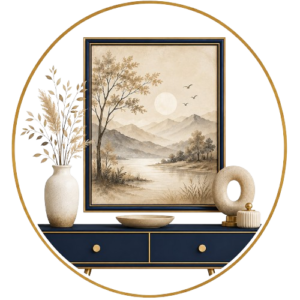
Traditional landscapes can complement wooden furniture and patterned rugs.
Floral Artwork
Works particularly well when the room already uses soft vintage colours.
Portrait-Inspired Artwork
Can reinforce a historical or Victorian atmosphere.
Black-and-White Photography
Provides a bridge between vintage character and modern design.
Contemporary Artwork
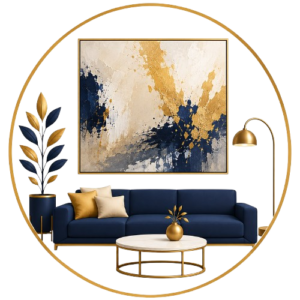
A modern abstract painting can create an unexpected contrast against vintage furniture.
This combination of old and new can make the interior feel more curated and sophisticated.
How to Make Vintage Interior Design Look Modern
If a vintage interior feels too traditional, simplify it.
Try:
- Lighter wall colours
- Contemporary furniture
- Modern artwork
- Simplified accessories
- Cleaner lighting
- Fewer patterns
- Open space around furniture
- Modern storage
Keep one or two vintage focal pieces so the room retains its character.
How to Make Victorian Interiors Feel Contemporary
Victorian styling can be adapted for modern homes by focusing on selected details.
Use:
- One ornate mirror
- Simple wall moulding
- Contemporary sofa
- Traditional artwork
- Modern lighting
- Rich accent colour
- Minimal decorative accessories
This creates a sophisticated transitional interior rather than a strict period recreation.
Vintage Interior Design for Small Homes
Vintage furniture can sometimes be visually heavy, so scale is particularly important in compact rooms.
Try:
- Choose one major vintage statement piece.
- Use lighter wall colours.
- Avoid oversized furniture.
- Keep patterns controlled.
- Use mirrors to increase visual openness.
- Choose multifunctional storage.
- Leave clear pathways.
- Use artwork instead of excessive accessories.
A small apartment can capture vintage character without becoming visually crowded.
Vintage Interior Design for Large Homes
Larger rooms can support more substantial furniture and stronger decorative details.
Use:
- Large rugs
- Statement mirrors
- Larger artwork
- Substantial wooden furniture
- Chandeliers
- Decorative wall moulding
Maintain a clear visual hierarchy so the room feels collected rather than overloaded.
Common Vintage & Victorian Interior Design Mistakes
Making Everything Look Old
A vintage home does not need every piece to be antique.
Using Too Many Patterns
Choose a controlled colour relationship between patterns.
Overdecorating
Layered does not mean cluttered.
Making the Room Too Dark
Balance dark wood and rich colours with lighter walls and textiles.
Ignoring Modern Functionality
Storage, lighting, technology, and comfort still matter.
Mixing Unrelated Periods
If combining different vintage influences, establish a common colour or material connection.
Choosing Tiny Artwork for Large Walls
Large furniture and architectural rooms often require appropriately scaled artwork.
How to Plan a Vintage Interior Step by Step
Step 1: Choose the period influence.
Decide whether you prefer general vintage, Victorian, traditional, or a combination.
Step 2: Establish the colour palette.
Select a neutral foundation and one or two vintage-inspired accent colours.
Step 3: Choose one or two character pieces.
Start with a sideboard, mirror, chair, table, or other distinctive item.
Step 4: Add supporting furniture.
Balance vintage pieces with contemporary or simpler furniture.
Step 5: Introduce textiles and patterns.
Use rugs, curtains, cushions, and upholstery.
Step 6: Add lighting and architectural details.
Consider lamps, sconces, chandeliers, or moulding.
Step 7: Choose artwork.
Use artwork to reinforce the period or intentionally contrast with it.
Step 8: Edit the room.
Remove unnecessary accessories and allow your strongest pieces to stand out.
Frequently Asked Questions
What is vintage interior design?
Vintage interior design uses furniture, colours, materials, patterns, and decorative elements inspired by earlier periods to create a home with character and timeless appeal.
What is Victorian interior design?
Victorian interior design is a more specific historical influence associated with ornate detailing, rich colours, patterned fabrics, decorative moulding, substantial furniture, and layered decoration.
Is vintage interior design outdated?
No. Vintage pieces can be combined with contemporary furniture, modern lighting, practical storage, and current artwork to create a stylish modern home.
What colours work best with vintage interiors?
Cream, beige, sage, olive, dusty blue, terracotta, rust, burgundy, forest green, and navy can all work well.
What wall art works with vintage interior design?
Botanical, floral, landscape, portrait-inspired, architectural, traditional, black-and-white, and carefully selected contemporary artwork can complement vintage interiors.
Can Victorian and modern interior design be combined?
Yes. Using selected Victorian details such as moulding, ornate mirrors, rich colours, and traditional artwork alongside contemporary furniture creates an elegant transitional style.
Can vintage interior design work in a small apartment?
Yes. Choose one or two character pieces, use lighter colours, select appropriately scaled furniture, and avoid excessive patterns and accessories.
How do I make a vintage home look luxurious?
Focus on proportion, quality materials, layered lighting, sophisticated artwork, rich textiles, and a controlled colour palette rather than simply adding more antique-looking objects.
Final Thoughts
Vintage interior design creates homes with character, history, warmth, and individuality. Its greatest strength is the ability to combine pieces from different periods into a space that feels personal rather than mass-produced.
For a softer vintage look, use warm neutrals, natural wood, traditional artwork, subtle patterns, and a few distinctive furniture pieces. For a stronger Victorian influence, introduce richer colours, ornate mirrors, decorative moulding, layered textiles, and more elaborate lighting.
The key is balance. A contemporary sofa can make an antique sideboard feel fresh, while modern artwork can give a traditional room an unexpected focal point.
The most successful vintage homes do not look frozen in the past. They use the past as inspiration while remaining comfortable and functional for modern life.
If you are comparing interior styles, explore our Traditional & Classic Interior Design Ideas, Art Deco Interior Design Ideas, Mid-Century Modern Interior Design Ideas, Rustic & Modern Rustic Interior Design Ideas, and Contemporary Interior Design Ideas guides. For artwork that complements vintage and Victorian spaces, explore Floral & Botanical Wall Art Ideas, Nature & Landscape Wall Art Ideas, Black and White Wall Art, Canvas Wall Art Ideas, and Gallery Wall Ideas.