
Simple House Interior Design Ideas: Stylish Ways to Create a Beautiful and Comfortable Home

Simple house interior design is about creating a home that feels comfortable, organised, practical, and visually balanced without unnecessary decoration.
A simple interior does not have to look plain or unfinished. In fact, the most successful simple homes often feel sophisticated because every element has a purpose. The furniture is appropriately scaled, colours work together, storage is considered from the beginning, and decorative pieces are chosen selectively.
Whether you live in a compact apartment, a 2BHK, a family house, or a larger home, simple interior design can help you make the most of your space while maintaining a clean and welcoming appearance.
The goal is not to remove everything from a room. It is to create more visual clarity with fewer unnecessary elements.
In this guide, you’ll find practical simple house interior design ideas for living rooms, bedrooms, kitchens, dining areas, offices, and other spaces, along with advice on colours, furniture, storage, lighting, wall décor, and creating a polished look without overcomplicating the design.
What Is Simple House Interior Design?
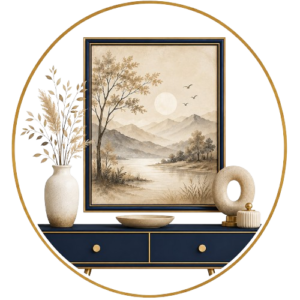
Simple house interior design focuses on functionality, comfort, proportion, and visual clarity.
Instead of filling rooms with numerous decorative elements, the approach prioritises:
- Practical furniture
- Clean layouts
- Simple colour palettes
- Useful storage
- Natural materials
- Good lighting
- Comfortable textiles
- Carefully selected décor
- Appropriate wall art
Simple does not necessarily mean minimalist.
A simple home can still contain colour, artwork, plants, patterns, and decorative objects. The difference is that these elements are used intentionally rather than simply filling available space.
20 Simple House Interior Design Ideas
1. Start with a Practical Furniture Layout
Good interior design begins with how people move through a room.
Before buying furniture, identify:
- Main walking paths
- Seating areas
- Doors and windows
- Storage requirements
- Focal points
- Frequently used areas
Avoid filling every available corner.
A simple layout with enough circulation space can make a home feel considerably larger.
2. Choose Furniture with Clean, Useful Forms
Simple interiors benefit from furniture that is comfortable and visually uncomplicated.
Consider:
- Straight-lined sofas
- Simple wooden tables
- Compact side tables
- Functional storage units
- Comfortable upholstered chairs
Choose pieces based on proportion and usability rather than decoration alone.
3. Use a Simple Colour Palette
A restrained colour palette makes it easier for different elements to work together.
A practical starting point is:
Warm white + beige + natural wood
or:
White + grey + black accents
You can then introduce one stronger colour through artwork, cushions, furniture, or accessories.
For more ideas, explore Interior Colour Ideas for Your Home →.
4. Let Natural Light Do the Work
Natural light can make a simple interior feel brighter and more spacious.
Keep windows relatively unobstructed and use curtains that allow daylight into the room.
Light-coloured walls and reflective surfaces can help distribute available light.
5. Use Natural Wood
Wood adds warmth to simple interiors without requiring excessive decoration.
Use it through:
- Flooring
- Coffee tables
- Dining tables
- Shelving
- Cabinets
- Bed frames
- Console tables
Light wood works particularly well when you want a bright and contemporary home.
6. Create Smart Storage
Good storage is essential for simple house interior design.
Consider:
- Built-in wardrobes
- Storage beds
- Closed cabinets
- Wall shelves
- Entryway storage
- Multi-functional furniture
The goal is to keep everyday clutter organised and reduce visual noise.
7. Keep Surfaces Clear
Clear surfaces immediately make a home feel more organised.
Instead of placing numerous objects on every table or shelf, choose a small number of meaningful pieces.
For example:
Console + mirror + one vase + small artwork
can often look more sophisticated than a console covered with accessories.
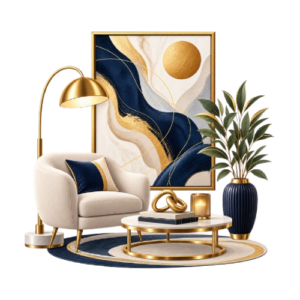
8. Create a Simple Living Room
A simple living room does not require expensive furniture.
A practical arrangement could include:
- Comfortable sofa
- Coffee table
- Area rug
- Simple side table
- One or two plants
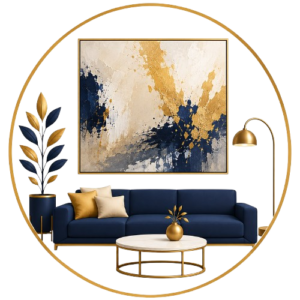
- Large wall artwork
Keep the furniture appropriately sized for the room.
A large statement artwork can provide a focal point without requiring many additional decorations.
9. Design a Simple Bedroom
The bedroom should feel calm and easy to maintain.
Use:
- Comfortable bed
- Functional bedside tables
- Simple wardrobe
- Soft bedding
- Warm lighting
- One or two pieces of artwork
Avoid unnecessary furniture that reduces movement around the bed.
10. Keep the Kitchen Functional
A simple kitchen should prioritise workflow.
Organise the space around:
- Preparation
- Cooking
- Cleaning
- Storage
Use simple cabinetry, practical hardware, and organised storage.
Open shelving can be attractive, but use it selectively so that the kitchen does not become visually cluttered.
11. Use One Strong Focal Point
Every room benefits from a clear visual anchor.
It could be:
- Artwork
- Sofa
- Feature wall
- Dining table
- Bed
- Architectural feature
- Statement light
Once you have established the focal point, keep surrounding elements relatively restrained.
12. Add Plants for Natural Character
Plants are an easy way to add colour and life to a simple interior.
Consider:
- One large floor plant
- Small plants on shelves
- A simple vase with branches
- A small group of plants near a window
Greenery works particularly well with white, beige, wood, and soft grey.
13. Use Rugs to Define Areas
A rug can make a simple room feel more complete.
Use rugs to:
- Define a seating area
- Add softness
- Introduce subtle colour
- Add texture
- Visually connect furniture
Choose a size that relates appropriately to the furniture rather than using a rug that is too small.
14. Choose Simple Window Treatments
Window treatments can have a major visual impact.
For a clean appearance, consider:
- Linen curtains
- Cotton curtains
- Simple roller blinds
- Roman shades
Choose colours that complement the walls and larger furniture.
15. Use Layered Lighting
Simple interiors can become flat if they rely entirely on one ceiling light.
Combine:
- Ceiling lighting
- Floor lamps
- Table lamps
- Wall lights
- Accent lighting
This makes the home more functional and comfortable at different times of day.
16. Create a Simple Home Office
A functional home office needs surprisingly little.
Consider:
Simple desk + comfortable chair + storage + task lighting + artwork
Keep cables organised and avoid unnecessary decorative objects around the workspace.
17. Design a Simple Dining Area
A dining area can be both practical and attractive.
Use:
- Appropriately sized table
- Comfortable chairs
- Pendant light
- Small sideboard if required
- One statement artwork
A wooden table can add warmth to an otherwise neutral room.
18. Use Wall Art Instead of Excessive Décor
Simple interiors do not need bare walls.
A carefully selected painting can provide colour, texture, personality, and a focal point without taking up floor space.
For a living room, consider a large artwork above the sofa.
For a bedroom, use a painting above the bed or on a suitable side wall.
For an office, choose artwork that complements the workspace without becoming distracting.
Explore Modern Wall Art Ideas →, Abstract Wall Art Ideas →, Colourful Wall Art →, and Black and White Wall Art → for inspiration.
19. Mix Materials for Depth
A simple palette can become visually interesting through materials.
Combine:
- Wood
- Stone
- Glass
- Metal
- Linen
- Wool
- Ceramic
This creates depth without requiring more colours or decoration.
20. Leave Some Empty Space
One of the most important principles of simple house interior design is allowing rooms to breathe.
You do not need to fill every wall, shelf, corner, or tabletop.
Empty space can make important furniture and artwork more noticeable while helping the entire home feel calmer.
Simple House Interior Design Ideas by Room
Simple Living Room
Start with the essentials: comfortable seating, a suitable coffee table, rug, lighting, storage, and artwork.
Avoid unnecessary furniture that blocks circulation.
A neutral palette with one strong artwork can create a polished result.
Simple Bedroom
Keep the furniture functional and the colour palette calm.
Use soft bedding, warm lighting, practical storage, and one or two carefully selected decorative pieces.
Simple Kitchen
Prioritise storage and workflow.
Use cabinetry that hides everyday clutter and keep countertops as clear as practical.
Wood, white, beige, or soft grey can create a clean and timeless foundation.
Simple Dining Room
Choose a table appropriate to the room size and provide enough circulation around it.
A pendant light and one large artwork can provide enough decoration.
Simple Home Office
Use a functional desk, comfortable chair, storage, task lighting, and restrained wall décor.
Keep the workspace organised to maintain visual clarity.
Simple Drawing Room
Use comfortable formal seating, a suitable rug, subtle décor, layered lighting, and a strong artwork or architectural focal point.
Avoid filling the room with small decorative objects.
Simple Entryway
An entryway often needs only:
- Console or slim cabinet
- Mirror
- Small bench if space allows
- Storage
- Artwork
- Simple lighting
Keep shoes, bags, and everyday items organised.
Simple Interior Colour Ideas
A simple house does not need to be completely white.
Warm White + Wood
Bright, natural, and timeless.
Beige + Cream
Soft and comfortable.
Grey + White
Modern and understated.
White + Black
Clean and contemporary.
Beige + Green
Natural and calming.
White + Blue
Fresh and relaxed.
Cream + Terracotta
Warm and earthy.
Choose one primary palette and repeat it throughout the home for a cohesive appearance.
How to Make a Simple Home Look Expensive
A simple home can look highly sophisticated without excessive spending.
Focus on Proportion
Furniture that is correctly scaled to the room often looks more refined than expensive furniture that is too large or too small.
Choose Fewer, Better Pieces
Instead of filling a room with inexpensive accessories, select a few pieces that have strong visual or practical value.
Use Quality Textures
Wood, linen, wool, stone, ceramic, and natural materials add depth.
Keep Colours Consistent
A controlled palette makes the entire home feel more intentional.
Use Large-Scale Artwork
One appropriately sized painting can have more impact than several small decorative objects.
Improve Lighting
Layered lighting can dramatically improve the appearance and atmosphere of even a simple interior.
Simple House Interior Design for Small Homes
Simple design is particularly useful in smaller homes.
Choose Multi-Functional Furniture
Consider:
- Storage beds
- Extendable dining tables
- Ottomans with storage
- Foldable desks
- Modular furniture
Use Vertical Space
Tall shelving and storage can make better use of limited floor area.
Keep the Floor Visible
Avoid excessive furniture and bulky pieces.
Use Light Colours
White, cream, beige, and light wood can help maintain visual openness.
Use Mirrors Carefully
A well-positioned mirror can reflect light and make a compact room feel more open.
Keep Décor Selective
Choose one strong artwork rather than filling every wall.
How to Make Simple Interiors Feel Warm
Simple does not have to mean cold.
Add warmth through:
- Natural wood
- Warm lighting
- Soft rugs
- Curtains
- Cushions
- Throws
- Plants
- Earthy colours
- Personal artwork
A neutral room can feel highly comfortable when textures and lighting are layered thoughtfully.
Simple House Interior Design Mistakes to Avoid
Buying Furniture Before Planning the Layout
Measure the room first and understand circulation before purchasing large pieces.
Choosing Furniture That Is Too Large
Oversized furniture can quickly make a simple room feel crowded.
Using Too Many Small Decorative Objects
Small objects scattered everywhere can create visual noise.
Making Every Room Identical
A cohesive home does not need every room to look exactly the same.
Use a common material or colour palette while allowing individual rooms some personality.
Ignoring Storage
Clutter makes simple interiors difficult to maintain.
Plan storage early.
Using Only One Light Source
Layered lighting creates much more depth and flexibility.
Leaving Walls Completely Bare
Simple does not mean unfinished.
A well-scaled artwork can give a room personality while preserving its clean appearance.
Choosing Trendy Pieces Without Considering Longevity
Prioritise furniture, materials, and colours that you can live with for several years.
How to Plan a Simple House Interior
Follow this step-by-step approach:
1. Measure every room.
Record dimensions, doors, windows, and fixed elements.
2. Identify the purpose of each space.
Determine how the room will actually be used.
3. Plan furniture placement.
Prioritise movement and usability.
4. Choose a simple colour palette.
Select one dominant palette and one or two accent colours.
5. Plan storage.
Decide where everyday objects will be stored before adding décor.
6. Add lighting layers.
Combine general, task, and accent lighting.
7. Introduce texture.
Use wood, rugs, curtains, upholstery, and natural materials.
8. Choose artwork and décor.
Select a few meaningful pieces rather than filling every surface.
9. Remove unnecessary elements.
After styling the room, step back and ask what can be removed without reducing comfort or function.
Frequently Asked Questions About Simple House Interior Design
What is simple house interior design?
Simple house interior design focuses on functional layouts, comfortable furniture, restrained colour palettes, practical storage, good lighting, natural materials, and selective décor.
How can I make my house look simple and beautiful?
Start by decluttering, improving the furniture layout, choosing a cohesive colour palette, adding layered lighting, using natural materials, and selecting a few well-scaled decorative pieces or artworks.
What colours are best for a simple home?
Warm white, cream, beige, light grey, soft blue, muted green, and natural wood are versatile choices. You can add stronger colours through artwork and accessories.
Can a simple house interior look luxurious?
Yes. Good proportions, quality materials, consistent colours, layered lighting, minimal clutter, and appropriately scaled artwork can create a sophisticated appearance.
How do I make a small house look bigger?
Use appropriately sized furniture, light colours, clear circulation paths, effective storage, mirrors, natural light, and limited visual clutter.
Is simple interior design the same as minimalist interior design?
Not exactly. Minimalism generally places a stronger emphasis on reducing possessions and visual elements. A simple interior can still include comfortable furniture, colour, artwork, plants, and decorative objects.
How can wall art work in a simple interior?
Choose one or two appropriately sized artworks and allow them enough surrounding space. Artwork can provide colour and personality without adding physical clutter.
How do I keep a simple house organised?
Plan storage around everyday habits, use closed storage for visually distracting items, maintain clear surfaces, and regularly remove things that are no longer useful.
Final Thoughts
Simple house interior design is not about making a home empty or removing everything that gives it personality.
It is about making thoughtful decisions.
Choose furniture that fits the room, create clear circulation, establish a cohesive colour palette, provide enough storage, layer your lighting, and use natural materials to add warmth.
Then finish the space with a few carefully selected pieces of décor and artwork.
The result can be simple without being boring, practical without being impersonal, and elegant without being expensive.
Whether you live in a small apartment, a 2BHK, a family house, or a larger home, the same principle applies: use less, but make what you use count.
Explore more Canvasora inspiration:
- Interior Colour Ideas for Your Home →
- Cozy Interior Design Ideas →
- Wooden Interior Design Ideas →
- White Interior Design Ideas →
- Grey Interior Design Ideas →
- Modern Home Interior Design Ideas →
- Modern Interior Design Ideas for Home →
- Minimalist Home Interior Design Ideas →
- Modern Wall Art Ideas →
- Abstract Wall Art Ideas →
- Colourful Wall Art →
- Black and White Wall Art →