
Sky & Night Canvas Painting Ideas


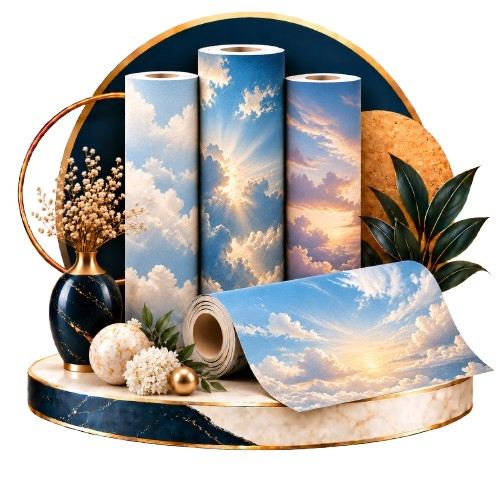
The sky offers almost endless possibilities for canvas painting. A bright blue daytime sky, dramatic clouds, a glowing sunset, a star-filled night, or a deep galaxy scene can completely change the mood of a painting.
A sky canvas painting is also one of the most versatile forms of artwork for home décor. Soft skies can create a peaceful atmosphere in bedrooms, dramatic cloudscapes can become statement pieces in living rooms, and celestial artwork can add character to home offices, reading corners, and creative spaces.
For beginners, sky painting is an excellent way to practise gradients, blending, layering, light, and atmospheric depth. For experienced artists, it provides an opportunity to experiment with colour, texture, clouds, stars, and imaginative landscapes.
This guide explores sky canvas painting ideas for daytime and nighttime scenes, easy DIY techniques, colour combinations, room-by-room styling, and practical tips for creating artwork that looks polished and sophisticated.
What Is a Sky Canvas Painting?
A sky canvas painting is artwork where the sky is a major visual element of the composition.
The painting can focus entirely on the sky or combine it with a landscape, seascape, cityscape, or abstract foreground.
Popular sky painting themes include:
- Blue skies
- Cloud paintings
- Sunset skies
- Sunrise skies
- Starry nights
- Moonlit landscapes
- Galaxy paintings
- Milky Way scenes
- Storm clouds
- Pink and purple skies
- Mountain skies
- Ocean skies
- Dreamy fantasy skies
- Abstract skies
- Minimalist sky artwork
The sky doesn’t have to be realistic. Many contemporary paintings use sky-inspired colours and textures to create an emotional or decorative effect.
20 Sky & Night Canvas Painting Ideas
1. Simple Blue Sky Canvas
A simple blue-sky painting is one of the easiest projects for beginners.
Create a soft gradient using different shades of blue and add a few light clouds.
You can keep the composition completely minimal or introduce a subtle landscape along the bottom.
For a clean home décor piece, use soft blues rather than extremely saturated colours.
2. Fluffy Cloud Canvas Painting
Clouds can become the main subject of a painting.
Use a light blue background and build clouds using layers of white, cream, and subtle grey.
Instead of outlining each cloud heavily, blend the edges so they appear soft and atmospheric.
This style works beautifully in:
- Bedrooms
- Children’s rooms
- Reading corners
- Relaxation spaces
3. Dramatic Cloudscape
For a more expressive artwork, create a sky filled with large, layered clouds.
Use darker greys and blues in the shadows and brighter whites or warm tones where light hits the clouds.
A dramatic cloudscape can become an excellent statement piece for a living room or dining area.
4. Starry Night Canvas Painting
A starry night is one of the most recognizable night-sky subjects.
Start with a dark blue or black background and gradually introduce lighter tones toward the horizon.
Add stars using:
- Small brush dots
- Splatter techniques
- Fine-point brushes
- Layered highlights
Keep the star sizes varied to avoid making the sky look overly uniform.
5. Moonlit Night Canvas
A large moon can become the central focal point of a night painting.
Surround it with:
- Clouds
- Stars
- Mountains
- Trees
- Water
- Buildings
A muted palette of navy, charcoal, grey, cream, and soft blue can create an elegant appearance.
6. Galaxy Canvas Painting
Turn the night sky into an abstract cosmic scene.
Blend deep shades such as:
- Navy
- Indigo
- Purple
- Magenta
- Black
Then introduce lighter areas and tiny stars.
A galaxy canvas can work particularly well as an accent piece in modern bedrooms, creative studios, and home offices.
7. Milky Way Canvas
A Milky Way-inspired painting can create a strong sense of depth.
Use a darker sky with a lighter diagonal or sweeping band across the composition.
Add stars gradually rather than distributing them evenly.
A dark foreground of mountains or trees can make the celestial area appear brighter.
8. Sunset-to-Night Gradient
Combine two different moods in one artwork.
Start with a warm sunset near the horizon and transition upward into purple, indigo, and deep blue.
This creates a visual journey from day into night.
It also connects naturally with sunset canvas painting ideas while giving the artwork a more unusual composition.
9. Pink and Purple Dreamy Sky
Create a soft fantasy-like sky using:
- Blush pink
- Peach
- Lavender
- Lilac
- Soft blue
This palette works especially well in bedrooms and soft contemporary interiors.
Add subtle clouds or a minimalist landscape for additional depth.
10. Moon and Clouds Painting
Paint a glowing moon partially hidden behind clouds.
The contrast between the illuminated moon and darker clouds creates an atmospheric effect.
This can be especially effective when the artwork is displayed in a bedroom or reading area.
11. Night Sky Over Mountains
Combine a celestial sky with a mountain landscape.
Use progressively darker mountain layers to create atmospheric depth.
The foreground can include:
- Pine trees
- Rocks
- A lake
- A small cabin
- A distant valley
The dark landscape creates a strong contrast against the stars.
12. Ocean Under a Night Sky
A night seascape can combine the movement of water with the stillness of a celestial sky.
Use dark blue water with subtle reflections from the moon or stars.
Keep the horizon relatively clear so that the sky remains the main visual focus.
13. Sky With Flying Birds
A simple sky can become more dynamic by adding a small group of birds.
Use a minimal composition with:
- Soft blue sky
- Clouds
- Distant birds
- A subtle horizon
This style is approachable for beginners and works well as understated home décor.
14. Stormy Sky Canvas
Create a dramatic sky using deep grey, blue, charcoal, and muted purple.
Layer thick clouds and brighter areas to suggest light breaking through the storm.
Storm artwork can add drama to a neutral living room or modern office.
15. Sun Rays Through Clouds
Instead of painting the sun directly, focus on rays of light emerging through clouds.
Use a darker sky surrounding a bright central area.
The contrast creates depth and can give the artwork a peaceful, uplifting atmosphere.
16. Minimalist Moon and Sky
For a contemporary interior, simplify the composition.
Use:
- One moon
- One dark sky
- A few stars
- One subtle landscape
Leave plenty of negative space.
This approach can look much more sophisticated than an overly detailed night scene.
17. Abstract Night Sky
You don’t need to paint a realistic sky.
Use deep colours, layered brushwork, and flowing shapes to suggest the atmosphere of night.
Try:
- Indigo
- Navy
- Purple
- Black
- Silver
- Muted blue
This can create a modern decorative artwork suitable for contemporary interiors.
18. Northern-Lights-Inspired Sky
Create sweeping bands of colour across a dark sky.
Use combinations such as:
- Green and blue
- Purple and teal
- Blue and violet
The foreground can be kept dark with silhouettes of mountains or trees.
This is particularly effective as a large statement canvas.
19. City Skyline at Night
Combine a night sky with an urban silhouette.
Paint the buildings in dark tones and introduce small illuminated windows.
The sky can transition from deep blue to purple near the horizon.
This style works especially well in modern apartments and home offices.
20. Fantasy Night Sky
Create an imaginative celestial landscape using exaggerated colours and forms.
You could include:
- Oversized moon
- Floating clouds
- Stars
- Mountains
- Abstract planets
- Dreamlike landscapes
Fantasy artwork gives you more freedom to experiment without worrying about strict realism.
Best Colours for Sky Canvas Painting
Colour selection determines the emotional character of the artwork.
Daytime Sky
Try:
- Sky blue
- White
- Pale blue
- Soft grey
For a warmer atmosphere, introduce a little cream or yellow.
Sunset Sky
Popular combinations include:
- Yellow + orange + pink
- Peach + coral + purple
- Orange + magenta + blue
- Gold + terracotta + violet
Night Sky
Try:
- Navy
- Indigo
- Deep blue
- Purple
- Charcoal
- Black
Celestial Sky
For galaxy or fantasy artwork, combine deeper tones with selective brighter accents.
Avoid spreading bright colours evenly across the entire canvas. A focal area usually creates a stronger composition.
How to Paint a Sky on Canvas
Sky painting is largely about controlling colour transitions.
Step 1: Prepare the Canvas
Use a clean, properly prepared canvas.
Decide whether your composition will be horizontal, vertical, square, or round.
Step 2: Select Your Palette
Choose your main colours before painting.
For a simple sky, three to five colours can be enough.
Step 3: Establish the Background
Apply the dominant sky colour across the canvas.
Don’t worry about creating a perfect finish immediately.
Step 4: Add Colour Transitions
Introduce neighbouring colours gradually.
For a sunset, for example, move from lighter warm tones near the horizon toward deeper colours above.
Step 5: Blend
Blend the transitions carefully so the colours don’t appear as harsh stripes.
Step 6: Add Clouds
Build clouds in layers.
Start with larger masses before adding smaller highlights.
Step 7: Add the Main Feature
Depending on the design, add:
- Moon
- Sun
- Stars
- Galaxy
- Birds
- Light rays
Step 8: Paint the Foreground
If your composition includes mountains, trees, buildings, or water, add them after establishing the sky.
Step 9: Add Final Highlights
Small highlights can increase depth, particularly around clouds, stars, or reflections.
Sky Painting Techniques for Beginners
Gradient Blending
This is one of the most important skills for creating convincing skies.
Blend two or more colours gradually rather than creating obvious boundaries.
Dry Brush Technique
A relatively dry brush can create soft cloud textures.
Layering
Build atmospheric effects through several thin layers instead of applying everything at once.
Splatter Technique
A controlled splatter can create stars in a night sky.
Use this carefully—the effect can become messy if overdone.
Sponge Technique
A sponge can create soft cloud or atmospheric textures.
Silhouette Painting
Dark mountains, trees, buildings, or landscapes can create contrast against a bright sky.
Acrylic Sky Canvas Painting
Acrylic paint is a practical choice for many sky-painting projects.
It works well for:
- Gradients
- Cloud layers
- Night skies
- Galaxy effects
- Landscapes
- Silhouettes
- Abstract artwork
Because acrylics can be layered, you can gradually build the depth of the sky.
For beginners, start with a simple blue or sunset gradient before attempting complex celestial scenes.
Night Sky Canvas Painting Techniques
Night skies require a different approach from daytime landscapes.
Start Dark
Begin with deep blue, indigo, or another dark base.
Build Lighter Areas
Add subtle lighter tones around the moon, horizon, or celestial focal point.
Vary the Stars
Stars should not all be the same size or brightness.
Add Atmospheric Depth
Clouds can partially cover stars and create layers within the scene.
Use a Dark Foreground
Mountains, trees, or buildings can make the sky feel more luminous.
How to Make Stars Look Natural
One of the easiest mistakes in a night painting is creating stars that are too uniform.
Instead:
- Vary their size
- Vary their brightness
- Leave some areas relatively empty
- Group some stars subtly
- Use smaller stars in the distance
- Add a few brighter focal stars
A restrained star field generally looks more sophisticated than covering every available space with dots.
Sky Canvas Painting Ideas for Different Rooms
Living Room
Use a larger statement artwork.
Good options include:
- Dramatic cloudscapes
- Sunset landscapes
- Mountain skies
- Abstract skies
- Night landscapes
A large horizontal canvas can work particularly well above a sofa.
Bedroom
Bedrooms are ideal for calm sky artwork.
Consider:
- Starry nights
- Moonlit scenes
- Soft blue skies
- Pink and purple skies
- Minimalist celestial art
Home Office
Choose artwork that adds atmosphere without distracting from work.
Mountain skies, abstract night artwork, city skylines, and minimalist compositions can work well.
Dining Room
Warm sunset skies can complement dining spaces.
Choose artwork with colours that coordinate with wood, neutral furniture, or warm lighting.
Children’s Room
Bright skies, clouds, rainbows, stars, and fantasy scenes can create a playful environment.
Keep the design age-appropriate and avoid overly dark imagery for younger children if a lighter atmosphere is preferred.
Reading Nook
A peaceful sky or moonlit landscape can reinforce the relaxed character of a reading corner.
Horizontal or Vertical Sky Canvas?
Horizontal
Best for:
- Landscapes
- Ocean scenes
- Mountain ranges
- Cloudscapes
- Sunset panoramas
Vertical
Best for:
- Tall clouds
- Moonlit scenes
- Forests
- City skylines
- Narrow feature walls
Square
A square canvas works well for:
- Abstract skies
- Central moon compositions
- Galaxy artwork
- Minimalist designs
Round
A round canvas can make a sky scene feel like a decorative window.
It is particularly effective for simplified moon, sunset, or landscape compositions.
How to Make Sky Canvas Art Look Premium
A beautiful sky does not need to be overly complicated.
Use Controlled Colour
Choose a deliberate palette instead of adding every possible shade.
Create a Focal Point
The moon, sun, horizon, or brightest cloud can provide the main point of interest.
Keep Transitions Smooth
Visible harsh colour bands can make the painting appear less refined.
Use Contrast Carefully
Dark foregrounds against luminous skies can create dramatic depth.
Leave Some Areas Quiet
Negative space gives the eye somewhere to rest.
Match the Interior
Repeat subtle artwork colours through cushions, rugs, curtains, or accessories.
Sky Canvas Art vs Sunset Canvas Art
Sunset artwork is technically a type of sky artwork, but the two subjects can serve different purposes.
| Sky Canvas Art | Sunset Canvas Art |
|---|---|
| Covers daytime and nighttime scenes | Focuses on sunset |
| Can be calm or dramatic | Usually warm and atmospheric |
| Includes stars and celestial themes | Focuses on changing sunset light |
| Wide range of colours | Often uses warm gradients |
| Works for many moods | Often creates warmth and romance |
If you want a broad atmospheric theme, sky artwork provides more flexibility. If you specifically want warmth and vibrant colour, sunset artwork may be a better choice.
DIY or Ready-Made Sky Canvas Art?
DIY Sky Painting
Sky scenes are excellent for experimenting with painting techniques.
Begin with a simple composition such as:
Gradient sky + clouds + silhouette
Once comfortable, progress to:
Moon + stars + mountains
and eventually:
Galaxy + atmospheric landscape
Ready-Made Sky Artwork
Professionally finished artwork can be useful when you want a polished composition, consistent colour, and a specific size without creating the painting yourself.
For a home décor brand such as Canvasora, sky-inspired artwork can also be selected according to the broader style of a room, allowing the artwork to coordinate with furniture, lighting, textiles, and other decorative elements.
Common Sky Canvas Painting Mistakes
1. Using Too Many Colours
A sky can become muddy when too many unrelated colours are blended together.
2. Creating Hard Gradient Lines
Unless intentionally stylized, sky colours usually benefit from smoother transitions.
3. Making Every Cloud Identical
Vary cloud shape, size, position, and brightness.
4. Adding Too Many Stars
Night skies usually look better with areas of visual rest.
5. Making the Moon Too Bright
The moon should integrate with the atmosphere rather than appearing like an isolated white circle.
6. Ignoring the Horizon
If the artwork includes a landscape, the horizon helps establish depth.
7. Making the Foreground Too Detailed
A highly detailed foreground can compete with the sky.
8. Choosing Artwork Without Considering the Room
A highly dramatic celestial painting may not suit an otherwise calm, minimalist interior.
Frequently Asked Questions
What is the easiest sky canvas painting for beginners?
A simple blue or sunset gradient with a few clouds and a dark silhouette is an excellent starting point.
What colours are best for a night sky painting?
Navy, indigo, deep blue, purple, charcoal, and black are common choices. Small amounts of lighter colours can create moonlight or celestial highlights.
How do I paint stars on canvas?
Stars can be painted individually with a fine brush or added using a controlled splatter technique. Vary their size and brightness for a more natural result.
Is acrylic paint good for sky painting?
Yes. Acrylic paint works well for gradients, clouds, night skies, galaxy effects, landscapes, and silhouettes.
How do you make clouds look realistic?
Build clouds in layers, use variations of light and shadow, soften some edges, and avoid making every cloud identical.
Can sky canvas art be used in a bedroom?
Yes. Soft blue skies, moonlit scenes, stars, pastel skies, and minimalist celestial artwork can all work well in bedrooms.
What size sky painting is best for a living room?
The ideal size depends on the wall and furniture. A wide horizontal canvas generally works well above a sofa, while large feature walls can accommodate larger or oversized artwork.
Can I paint a galaxy on a canvas?
Yes. Galaxy artwork can be created using layered dark colours, lighter atmospheric areas, and carefully placed stars.
Is a night sky painting suitable for modern interiors?
Yes. Minimalist moon scenes, abstract celestial artwork, monochrome night landscapes, and controlled galaxy compositions can complement contemporary décor beautifully.
Final Thoughts
A sky canvas painting gives you almost unlimited creative freedom. You can paint a bright daytime atmosphere, soft clouds, a dramatic storm, a warm sunset, a quiet moonlit landscape, or an imaginative galaxy.
For beginners, sky painting is an excellent way to learn colour blending and atmospheric techniques without requiring an extremely complicated subject. Start with a simple gradient, add a few clouds or a silhouette, and gradually introduce more detail as your skills develop.
For home décor, think beyond realism. A softly coloured sky can create calmness in a bedroom, a dramatic cloudscape can add character to a living room, and a deep celestial composition can become a striking feature in a home office.
The strongest sky artwork usually comes from controlled colour, thoughtful composition, atmospheric depth, and restraint. Whether you paint it yourself or choose finished artwork, let the sky establish the mood while the rest of the composition supports it.
With the right scale, palette, and placement, sky and night canvas art can bring depth, emotion, and atmosphere to almost any interior.